Education that overcomes barriers: Mariupol University brought together experts from the educational and penitentiary sectors
In the context of forced displacement, Ukrainians face many challenges, among which adaptation to new communities is one of the most significant. For some, this process may be faster and easier, while others experience mental, cultural, and communication barriers.
The community of Mariupol State University, largely represented by internally displaced persons, understands the importance of supporting those who have lost their homes and are trying to restore the usual course of life. Having chosen a civic-oriented development path, the University has strengthened its educational and research activities through service to people and communities.
Last year, MSU became a partner in the implementation of the international project "Supporting the Penitentiary System Advancement through Reflection and Knowledge about Linguistic and Cultural Diversity" (SPARK). For the Ukrainian side, the project’s target audience was expanded, which also made it possible to focus on internally displaced persons.
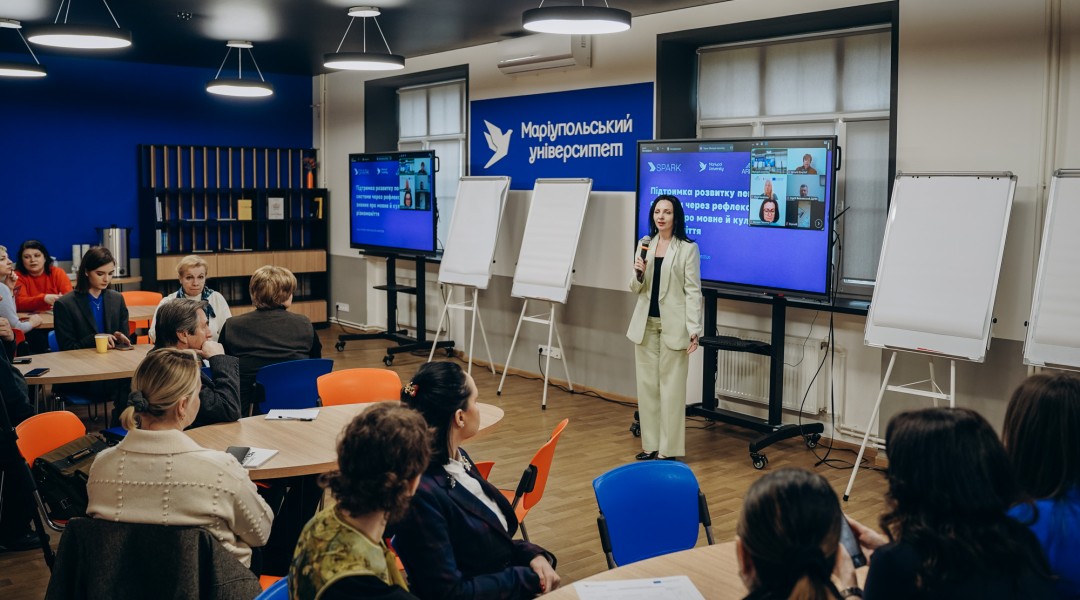
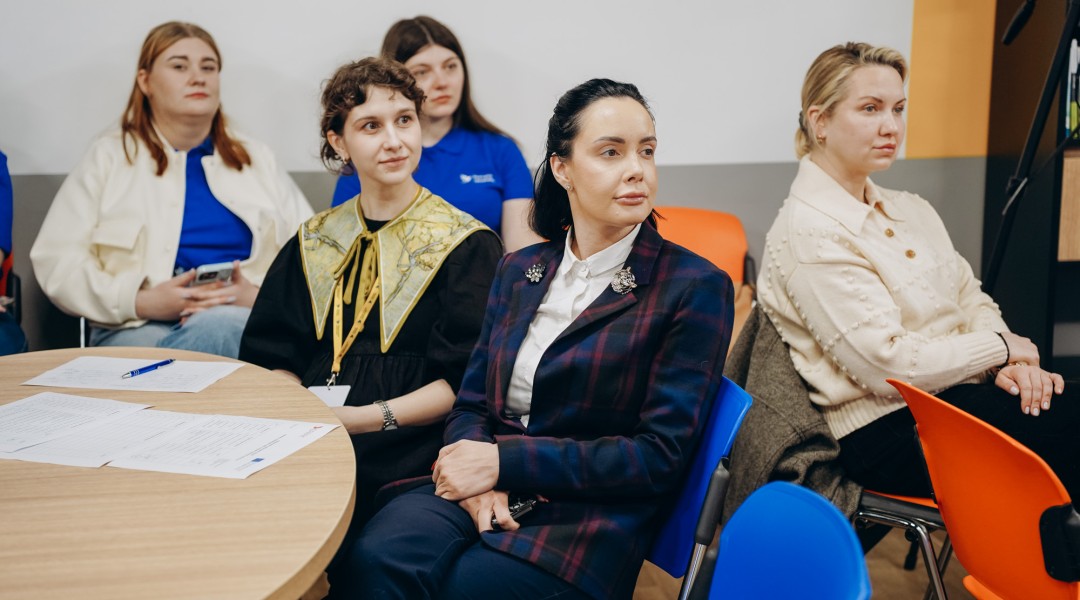
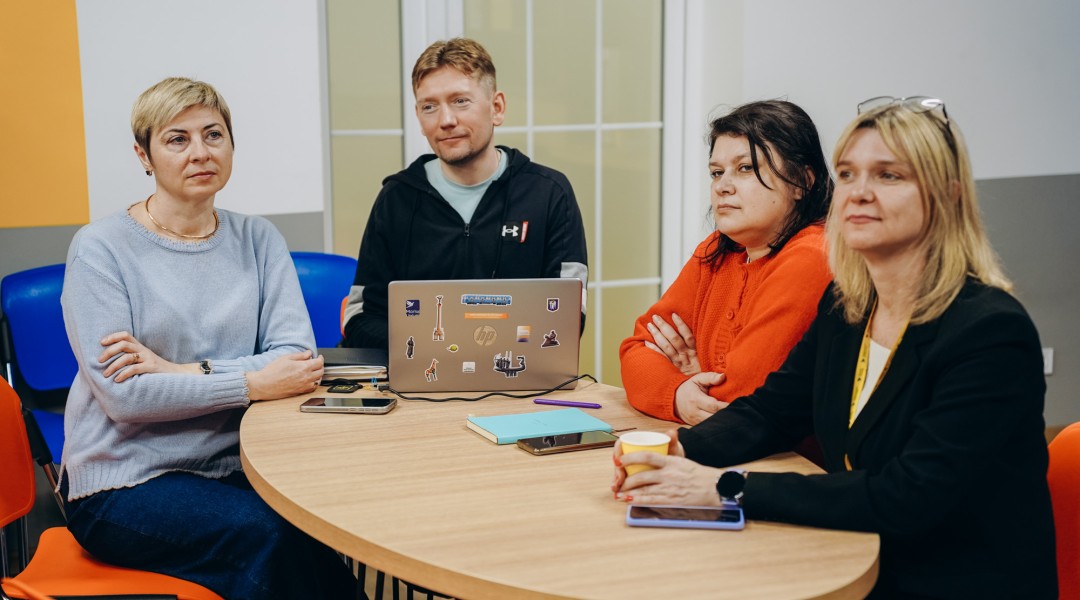
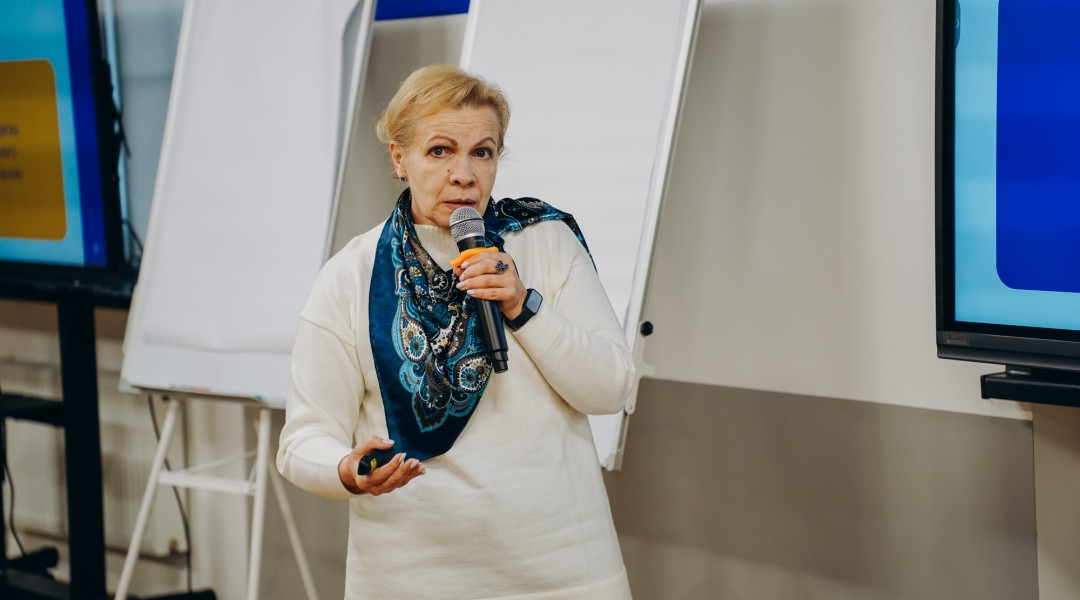
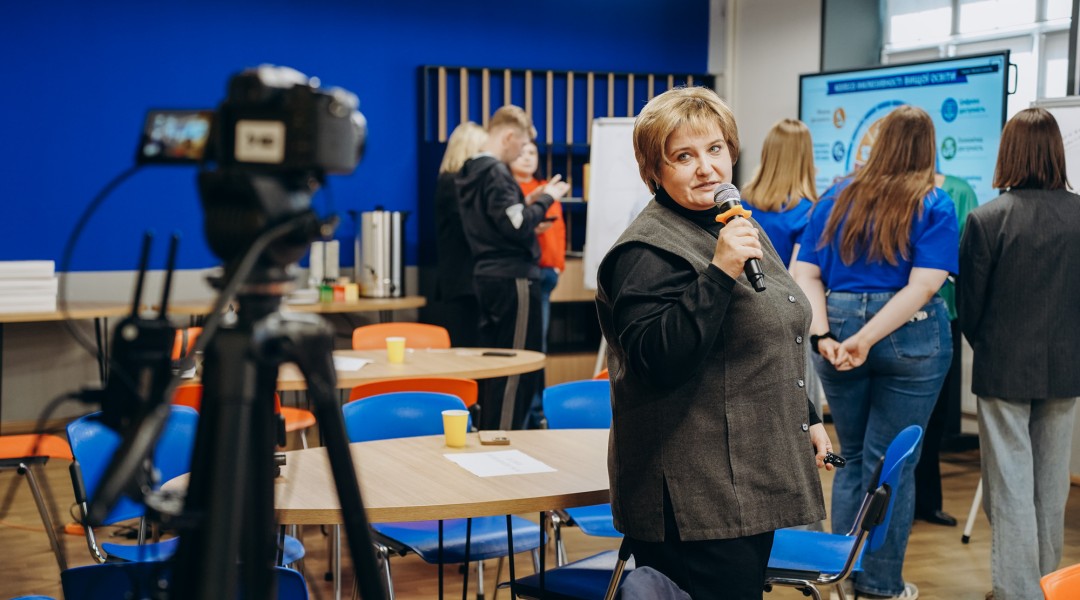
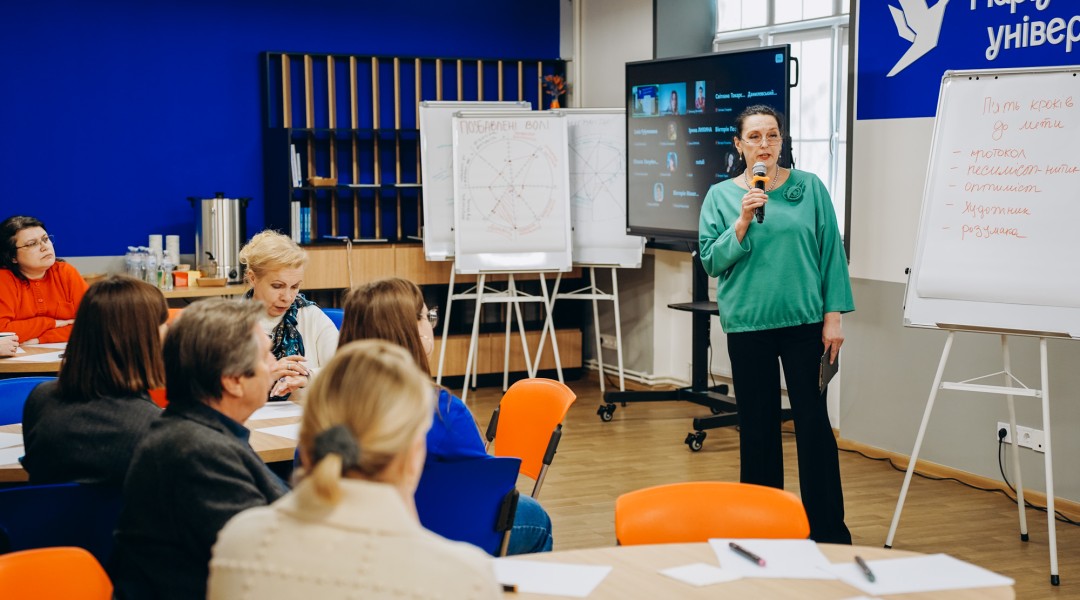
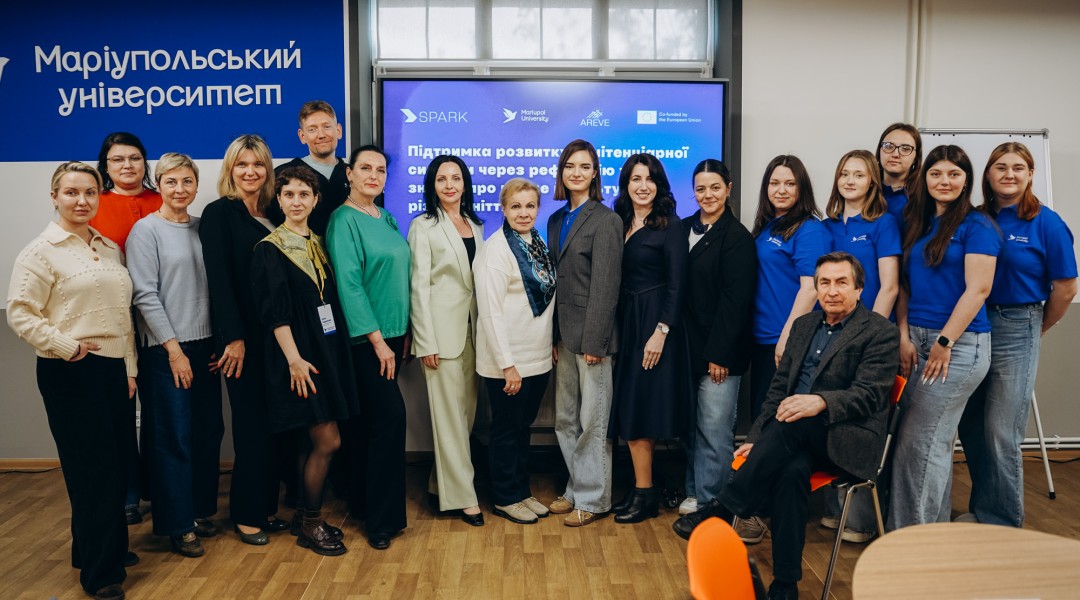
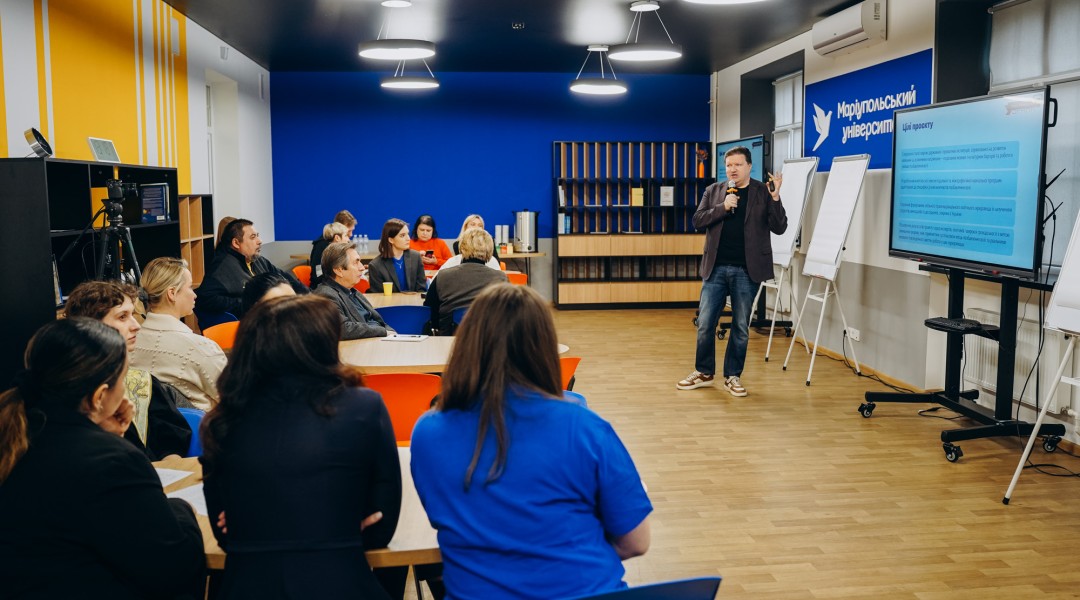
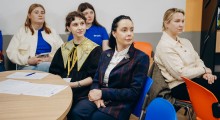
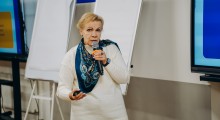
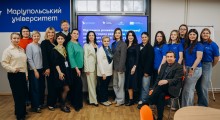
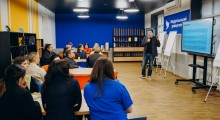
How to overcome cultural and communication barriers and develop educational practices aimed at the social integration of different population groups was discussed on 23–24 April during the National Seminar held within the SPARK project. The topic attracted significant public interest, and on the first day alone, more than 120 participants joined the event both at Mariupol State University’s front office and online.
“In this project, our two priorities—international cooperation and service to communities—have come together in the best possible way. On the one hand, we are grateful to our international partners for paying attention to such important issues, especially for Ukraine, as supporting vulnerable groups and working with people who find themselves in difficult life circumstances. On the other hand, this project further раскрывает our third mission and gives us the opportunity to expand the range of services we provide to communities,”
said Acting Rector of MSU, Tetyana Marena.
SPARK is implemented by teams of higher education institutions and professional associations from Italy, Spain, Estonia, and Ukraine. At the national level, the project is delivered by Mariupol State University and the Association of Researchers of European Values in Education (AREVE).
“Sometimes in projects, partners remain just partners, but for us, rest assured, you are not simply partners. You are an example of resilience, professionalism, resistance, and hope. So, I sincerely thank you for being with us,”
said project coordinator, Professor of the University of Genoa, Mara Morelli.
The National Seminar became one of a series of professional meetings organized by project partners in their respective countries to support networking among stakeholders interested in overcoming linguistic and cultural barriers both in contexts of deprivation of liberty and in situations of displacement. The audience included representatives of educational institutions of different levels—from schools to universities and research institutions—as well as practitioners directly working in the fields of social and penitentiary policy.
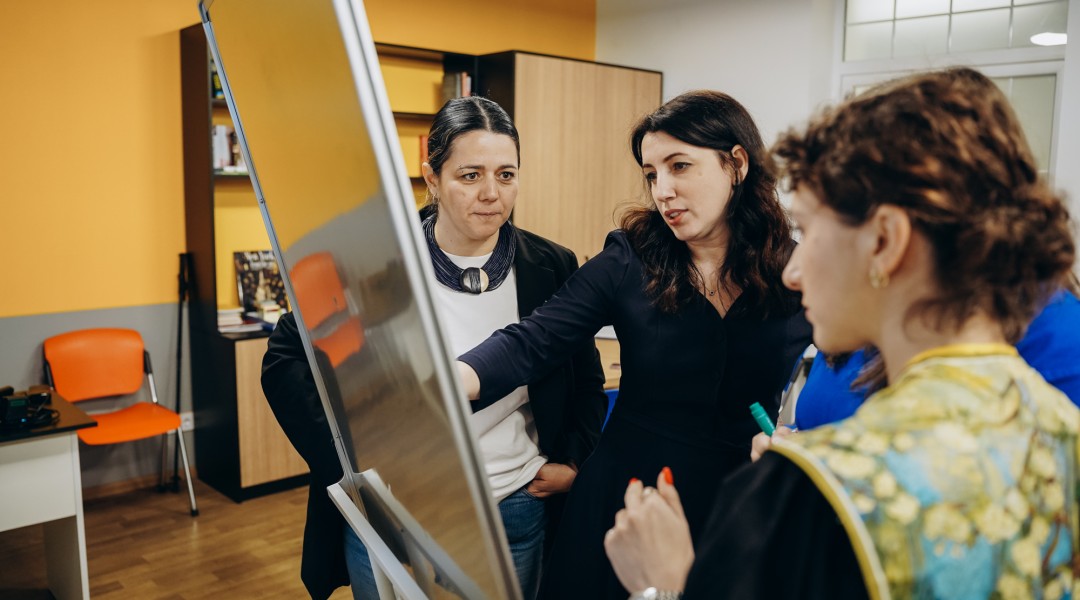
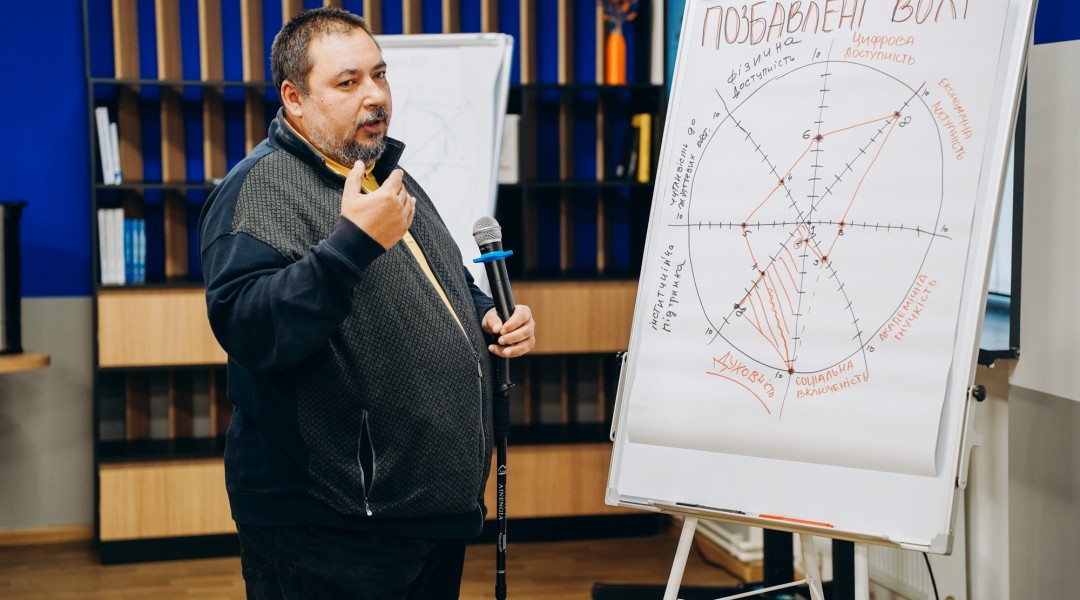
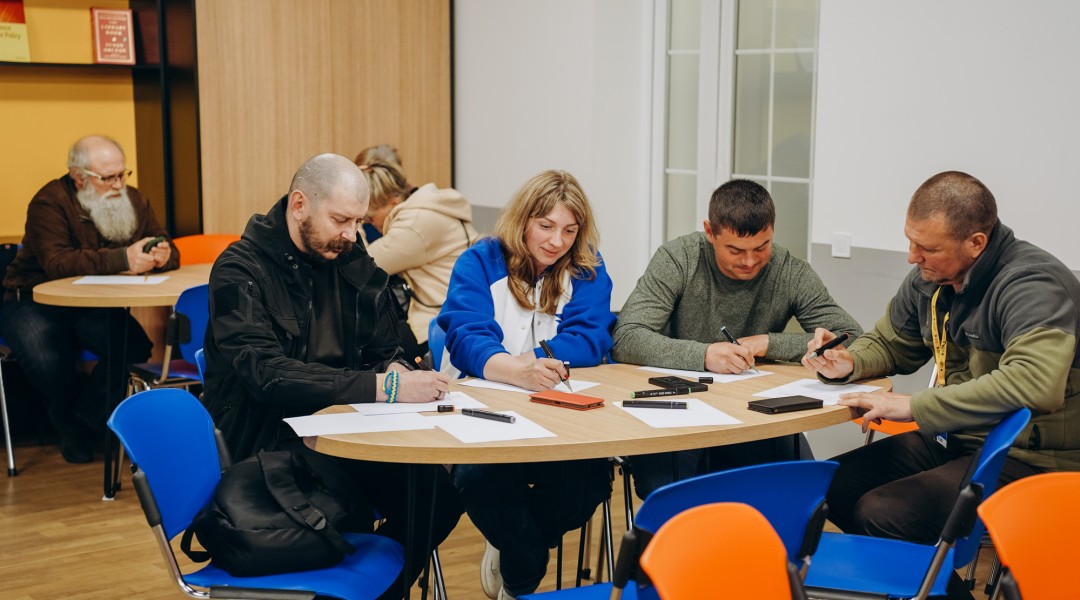
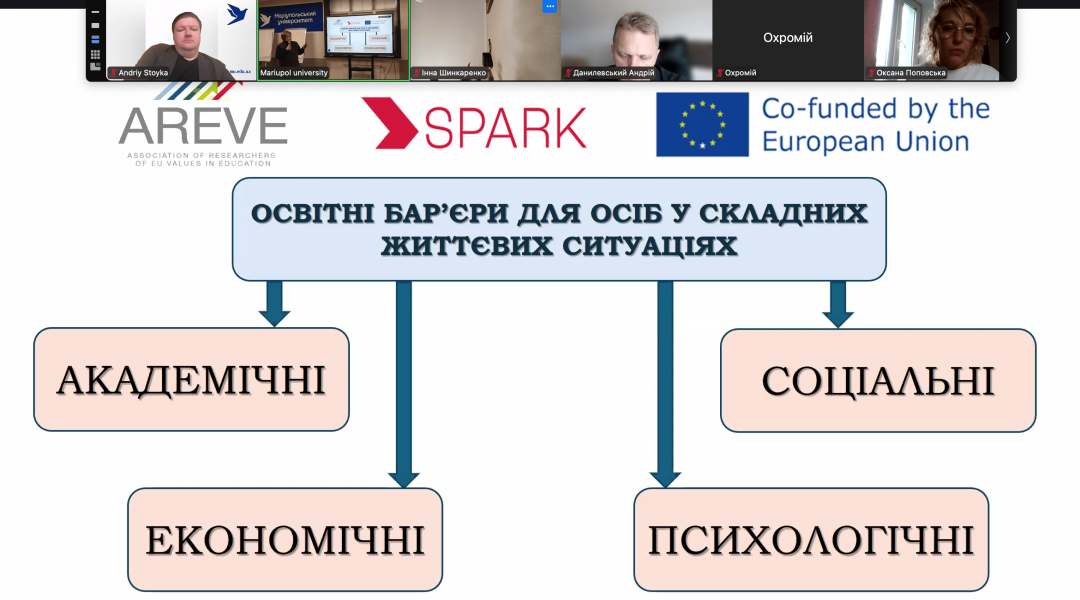
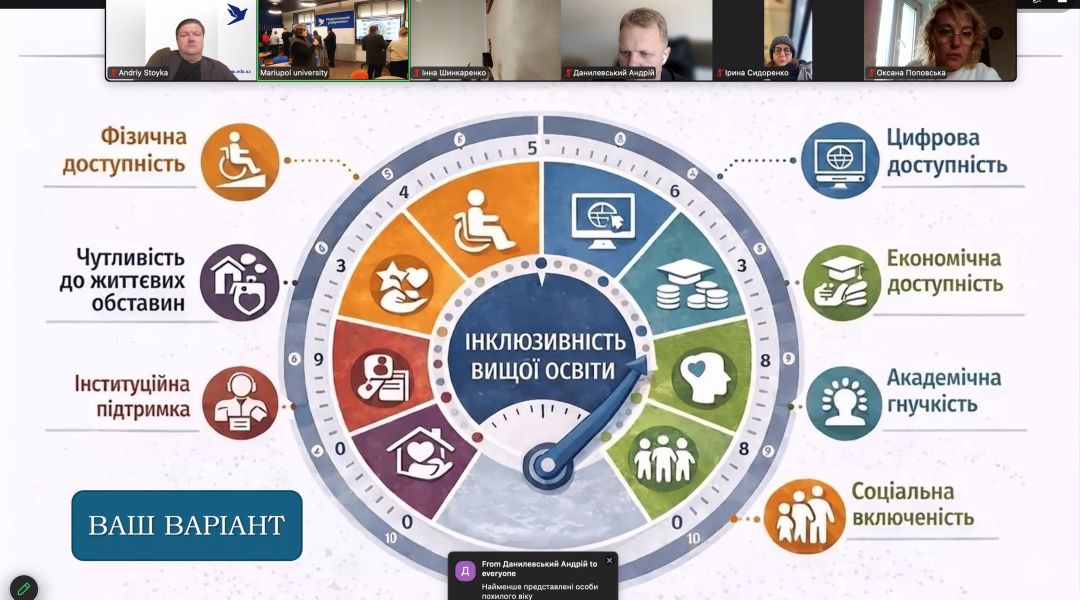
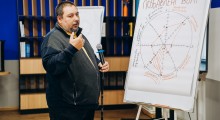
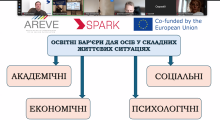
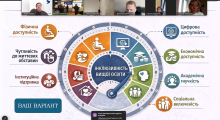
At the beginning of the seminar, participants explored social inclusion and why emotional competence is important for it, learned about the barriers to integrating displaced persons into new communities and the role volunteers can play in overcoming such difficulties, studied inclusive approaches used by European universities in working with people in difficult life circumstances, and attempted to objectively assess the level of accessibility and inclusiveness for different social groups in Ukrainian realities.
Participants worked together with representatives of the MSU project team—Dean of the Faculty of Psychology and Pedagogy, Lenina Zadorozhna-Kniahnytska, and Associate Professor of the Department of Practical Psychology, Inha Poliluieva—as well as representatives of the AREVE project team—Chairperson Mar’ya Nesterova and member Hanna Afuzova.
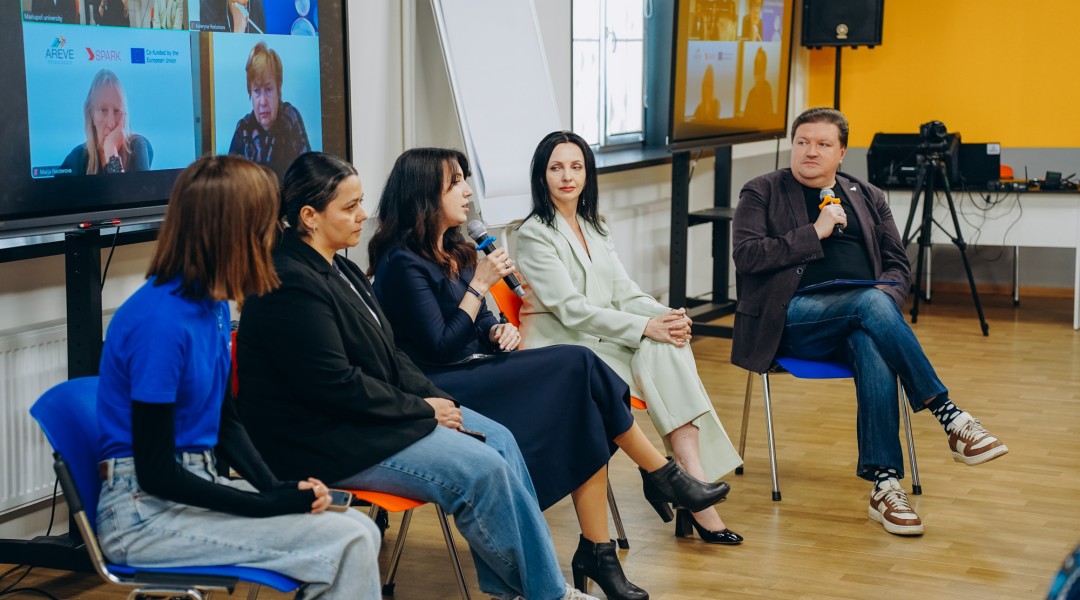
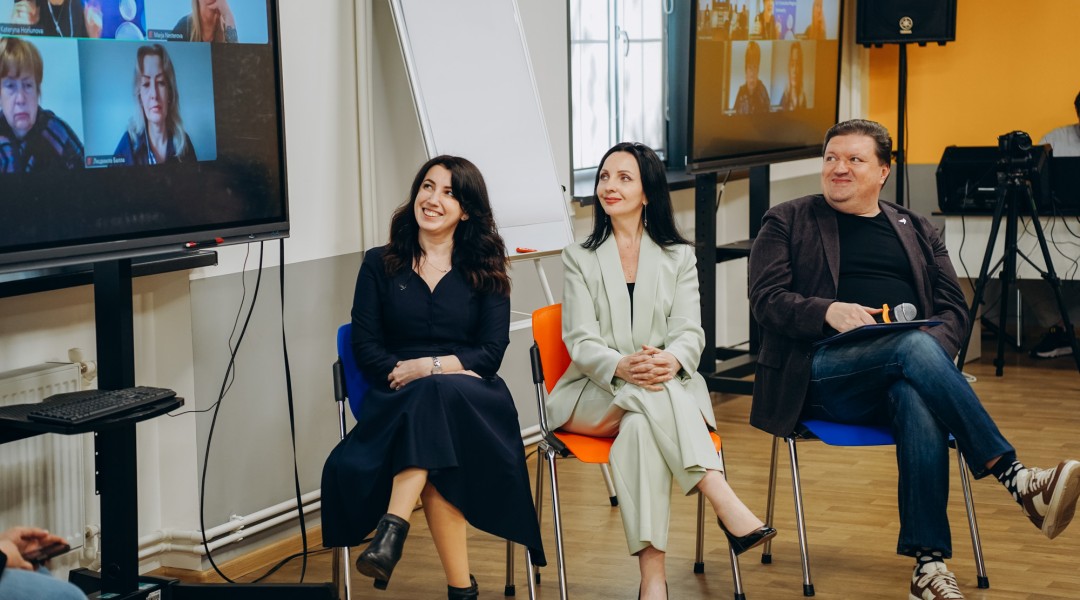
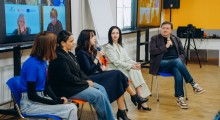
One part of the National Seminar was a panel discussion on the third mission of Mariupol State University. Acting Rector Tetiana Marena emphasized that the university community had chosen a civic-oriented development path even before its forced relocation. Associate Professors Anastasiia Trofymenko and Inna Arakelova shared the story of establishing a humanitarian headquarters to support displaced people from Mariupol and how it later transformed into the Civic Centre, providing a wide range of services to communities. Kateryna Horiunova, coordinator of the MSU Centre in Lithuania, shared her experience of working with Ukrainian refugees, while student Zoriana Bohun spoke about her volunteer experience.
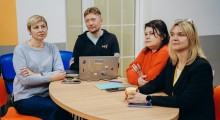
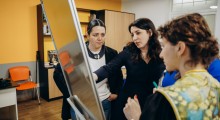
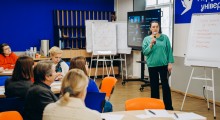
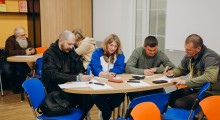
On the second day of the National Seminar, participants continued discussing tools and methodologies that can help address the challenges of deprivation of liberty and integration into communities. This was followed by a working session of the Ukrainian project teams focused on conceptualizing key terms, developing recommendations for universities, and discussing opportunities for further cooperation with stakeholders.
“The National Seminar was primarily aimed at building an interprofessional community of experts so that the issues raised by the project would be discussed not only by representatives of academia. Another important outcome was the aspiration to develop a shared understanding of key terms and approaches used to overcome linguistic and cultural barriers in complex social contexts. Such a common language is the foundation for further effective cooperation and real change,”
said Andriy Stoyka, Project Coordinator from MSU.
Seminar Content Materials
- Agenda
- Presentation of the SPARK Project (Andriy Stoyka)
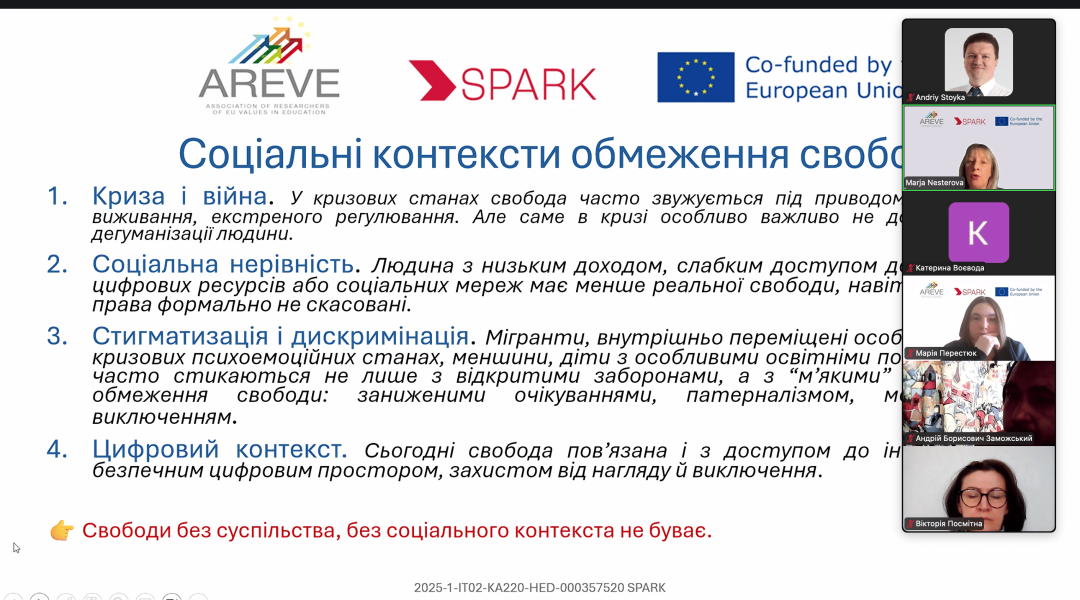
- Challenges of Social Inclusion in Crisis Conditions of Individuals and Society (Mar’ya Nesterova)
- Inclusive Approaches of European Universities in Working with People in Difficult Life Circumstances (Hanna Afuzova)
- The University as an Agent for Developing Inclusive Communication in Host Communities: Volunteer Practices for Supporting Internally Displaced Persons (Lenina Zadorozhna-Kniahnytska)
- Ukrainian Centre in Lithuania and the MSU Centre at Vytautas Magnus University (Kateryna Horiunova)
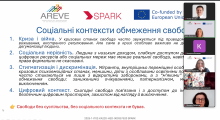
- Conceptualizing the Concept of “Restriction of Freedom” / “Deprivation of Liberty”: Social and Educational Contexts (Mar’ya Nesterova)
- Intercultural Competence and Social Inclusion in Overcoming the Barriers of Forced Migration (Nataliia Kochubei)
- Access to Education in the Penitentiary System of Ukraine: Current State and Challenges (Andrii Zamozhskyi)
- A Broad Understanding of Inclusion and Barrier-Free Environment (Hanna Afuzova)
- Educational Reintegration Pathways for Children and Youth in Difficult Life Circumstances (Mariia Perestiuk)




Останні новини: