MSU Discusses the Development of Business Education within BIKE-HEI
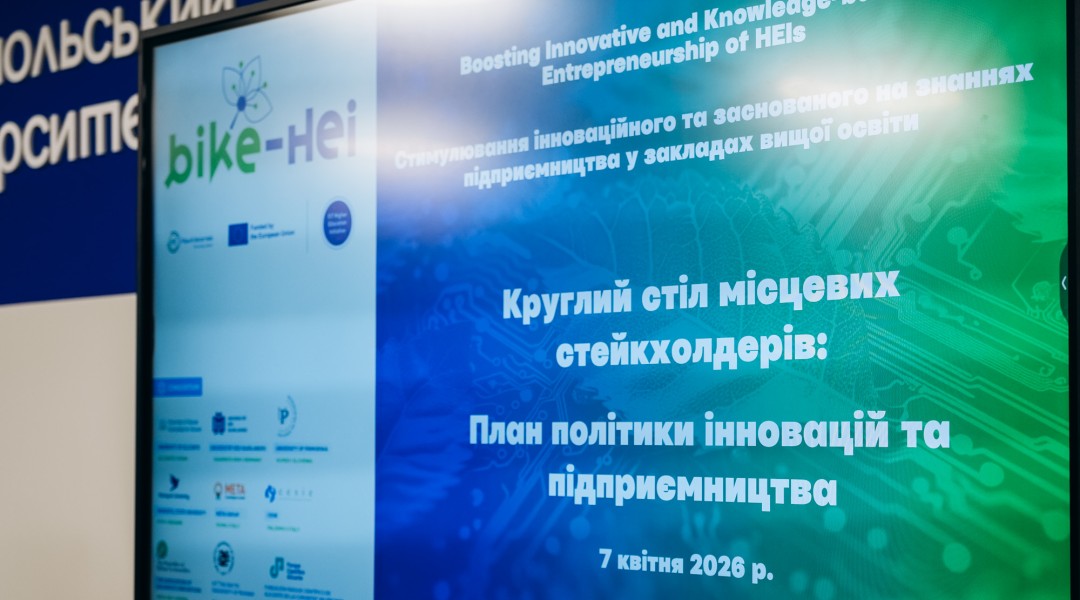
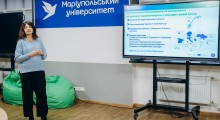
The second phase of the international project “Boosting Innovative and Knowledge-Based Entrepreneurship in Higher Education Institutions” (BIKE-HEI) has already begun. While participants of the training programs are either completing or just preparing to start their studies, the team of Mariupol State University met with the initiative’s stakeholders.
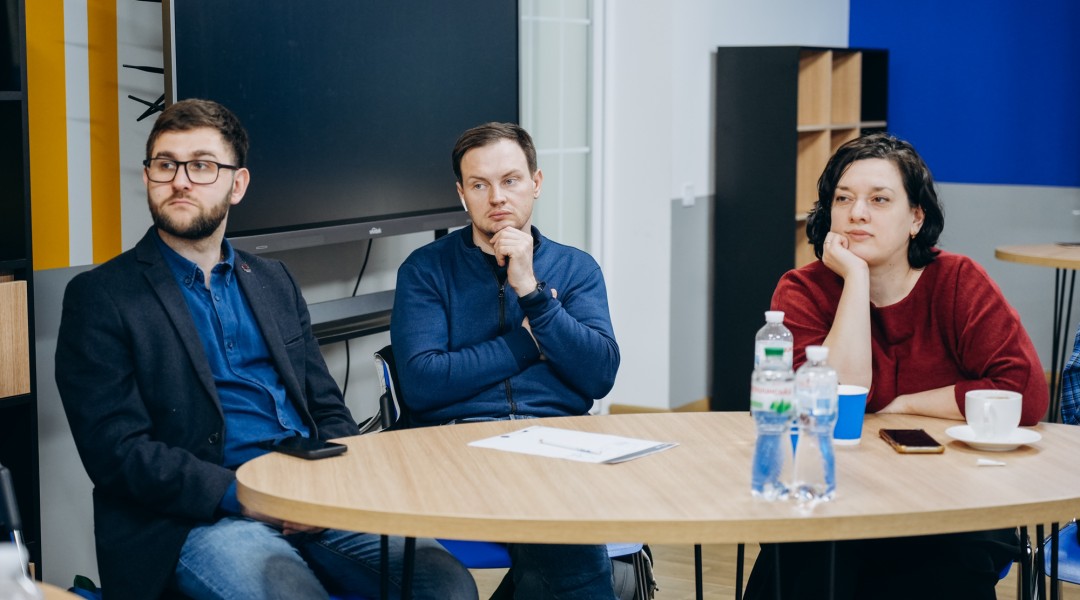
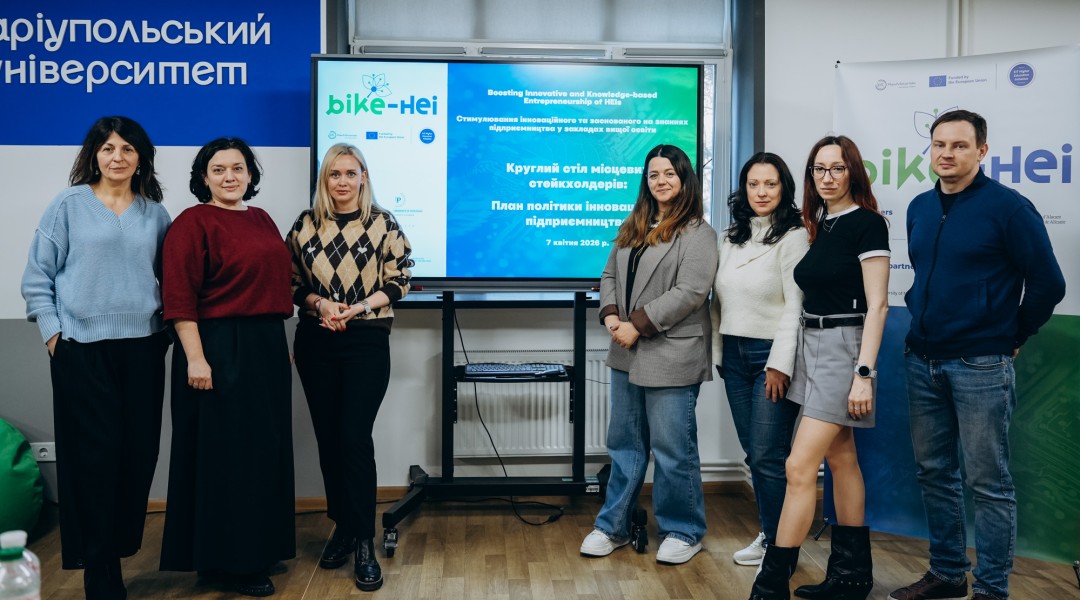
To discuss current business challenges, the university welcomed co-founders of the B-Way Club for entrepreneurs and experts, Tetiana Kasatkina and Anastasiia Kucherenko; Head of the Publishing and Printing House “Format A+,” Nataliia Isaieva; Head of the youth NGO “Youth Initiative of Cities,” Viktor Sypieiev; and co-founder of Triko Trend LLC, Anton Lysiutin.
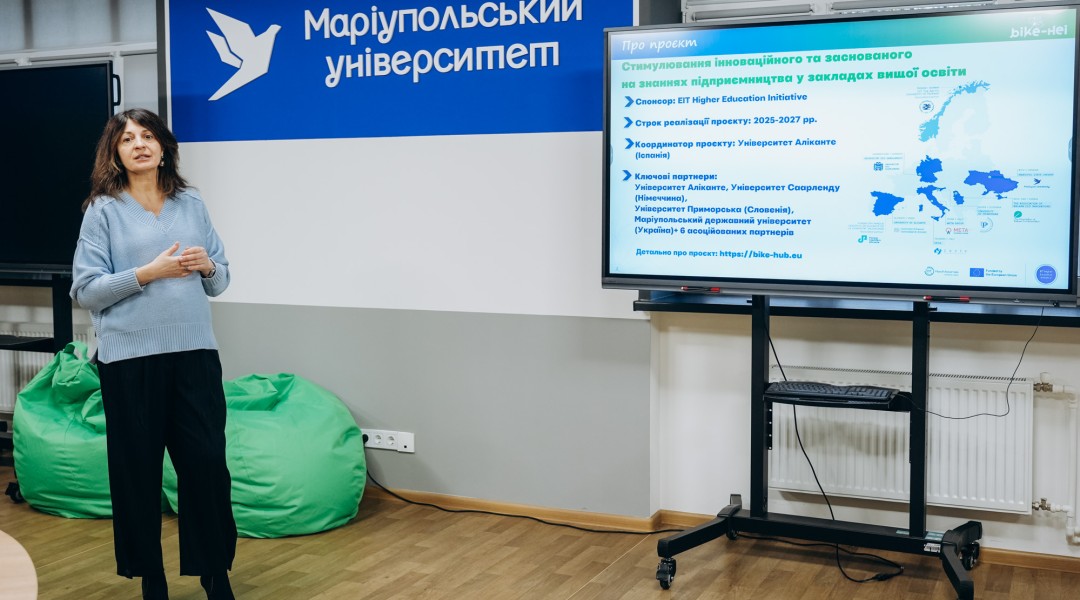
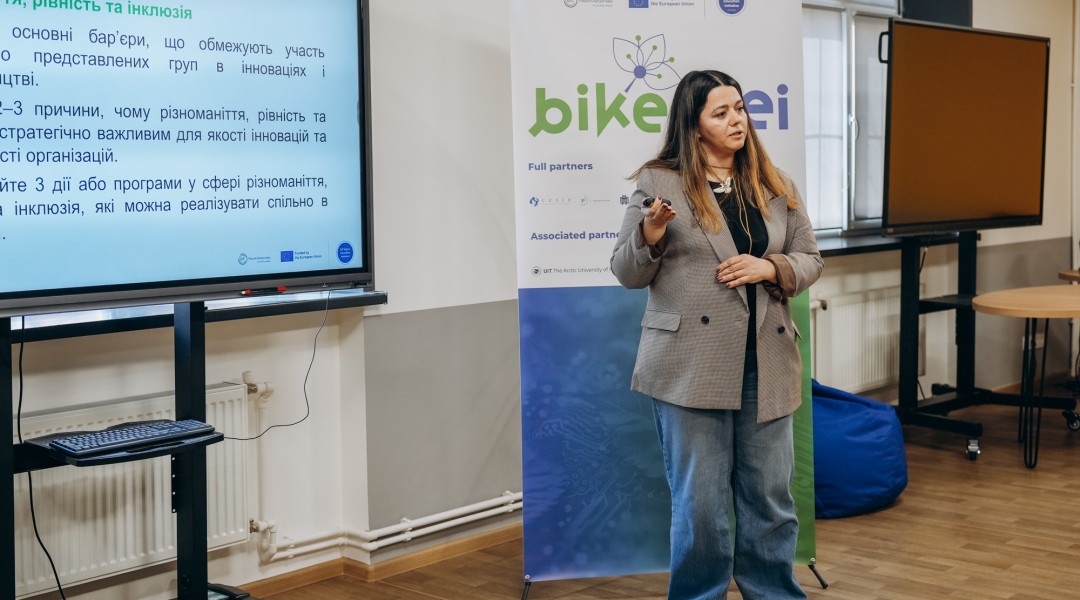
The project coordinator and Director of the Center for International Education at Mariupol State University, Iryna Sikorska, emphasized that the survival of higher education in Ukraine today is largely ensured by international solidarity. At the same time, she highlighted the university’s intention to develop joint initiatives with business and presented the BIKE-HEI project. Associate Professors Valeriia Podunai and Inna Arakelova provided more details about the first phase of the project, during which about a thousand participants from different countries completed training, as well as about support for youth startups.
BIKE-HEI aims to create a stakeholder ecosystem. European partner universities operate in different conditions in terms of support and innovation, yet they face similar challenges in the business sector. The Mariupol team is involved in preparing a set of proposals on how the synergy between education and business can influence each other's development. These findings will be presented in May at a partner meeting in Lisbon.
During the BIKE-HEI award competition, Inna Arakelova encountered the issue that young people are often afraid to take responsibility when developing their own businesses. Practitioners shared real-life cases from their experience, highlighting gaps they observe in potential employees as employers and proposing ideas for transforming Ukrainian education.
People often lack understanding of small but important aspects of business: cost calculation, identifying a product’s competitive advantages, understanding market needs, and responding effectively to them. Moreover, many are not mentally prepared for the challenges of entrepreneurship. Former home-based craftsmen enter the business world without understanding their purpose and lack strategic thinking,
— said business owner Tetiana Kasatkina.
Anastasiia Kucherenko pointed out a challenge among younger generations who, due to easy access to information, may lack a sense of responsibility. Students need simulated practical experience to develop professional skills, as things obtained without effort or cost are often undervalued.
Theory remains an integral part of both education and professional practice. Stakeholders proposed implementing short-term programs or elective courses. They also shared experiences of introducing various formats through non-formal education, such as clubs, programs, and practical training. Young people should face real challenges and learn to overcome them, developing critical thinking and creativity. Educators, in turn, must immerse themselves in real business contexts, as without such understanding, effective teaching is impossible.
According to Anton Lysiutin, low motivation is more a characteristic of the generation than a flaw of higher education.
University education provides a foundation that shapes methodology. Many modern professions combine different fields. One might neglect studying mathematics or languages at some point, but later these skills may suddenly become necessary. We have been spoiled by accessibility: education is available, yet there is no desire to learn; AI is available, so there is no need to make an effort to find information,
— said entrepreneur Anton Lysiutin.
Nataliia Isaieva, in turn, noted that society often does not understand where specialists in specific fields come from and what their educational path should be. She proposed creating a pool of mentors who would guide and teach young people starting from their student years. Professional development and retraining should be carried out at the institutional level rather than by individual practitioners.
At the end of the meeting, Mariupol University educators and stakeholders agreed on joint initiatives to support the development of Ukrainian business.






Останні новини: