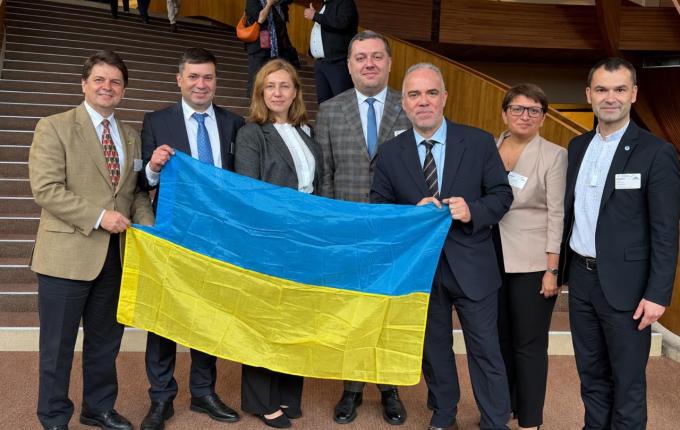
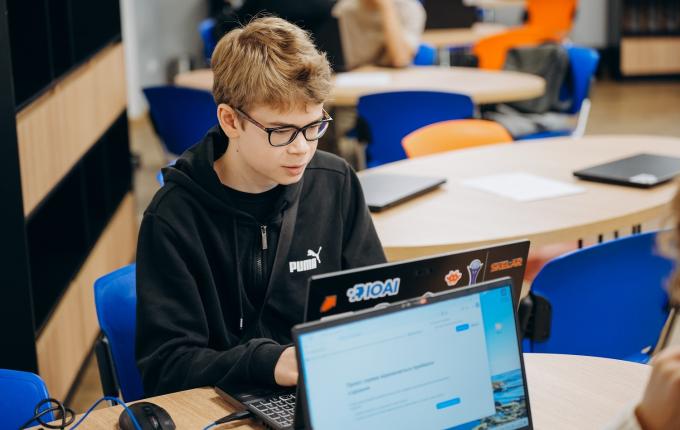
Mariupol University brings together experts on migration policy
Under the modern conditions of global competition for human capital, it is efficient management of migration processes that will determine Ukraine's competitiveness in the coming decades.
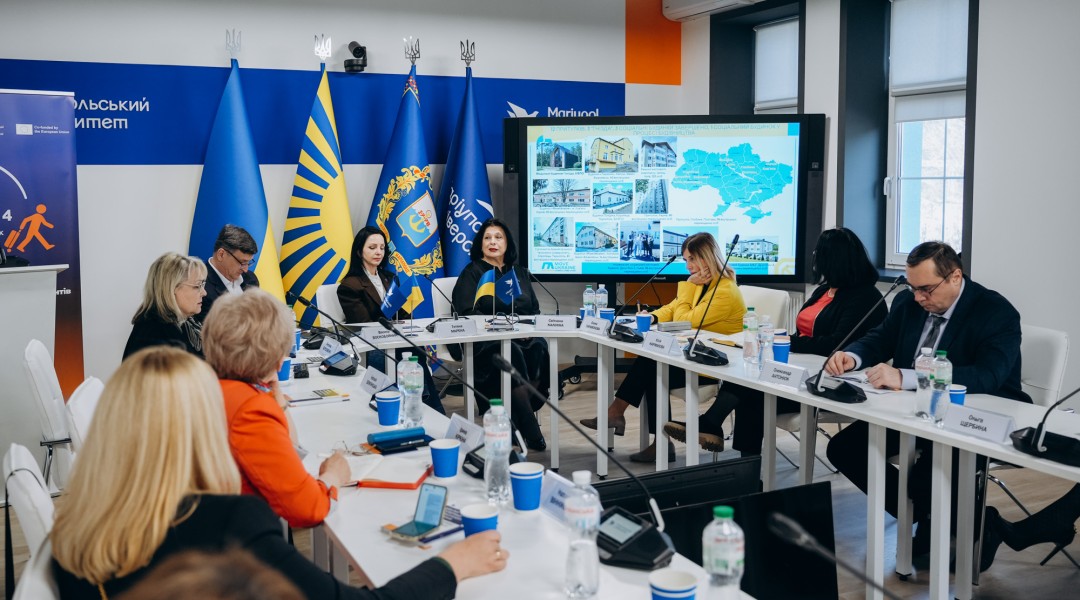
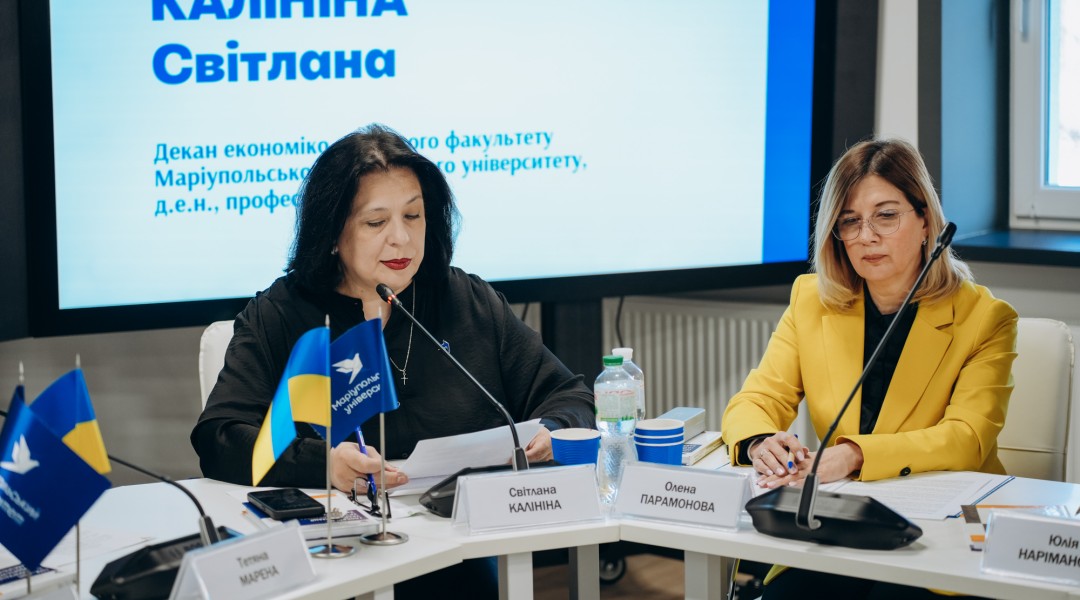
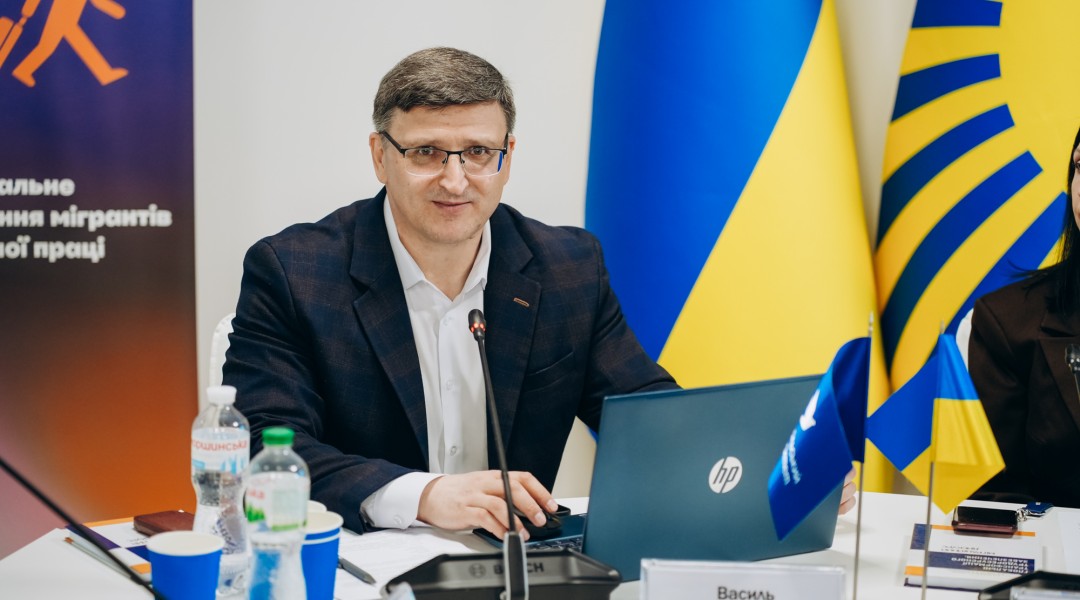
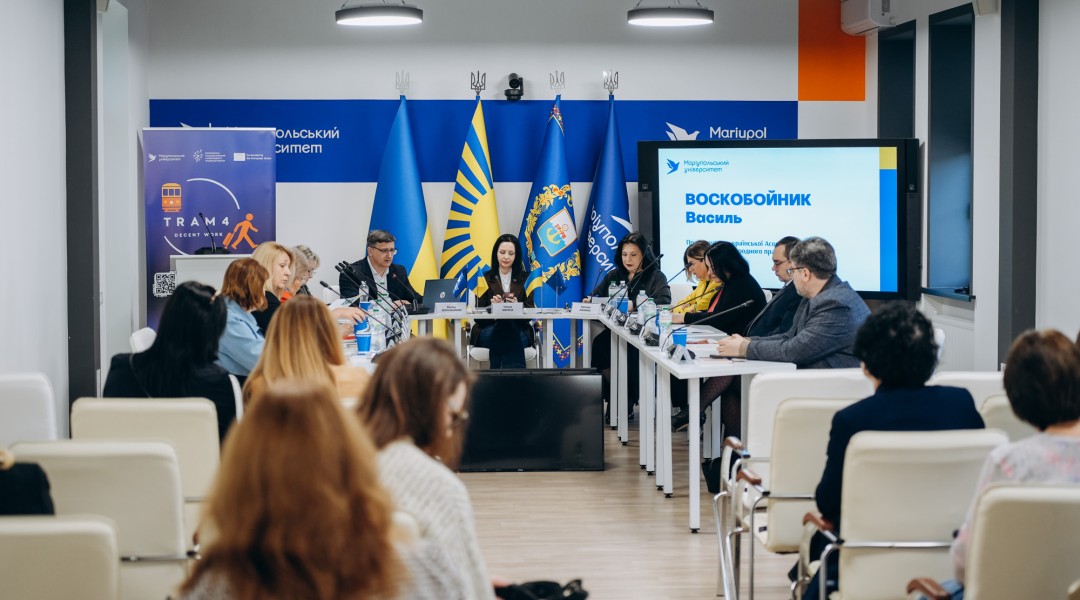
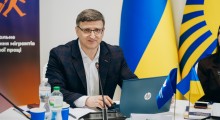
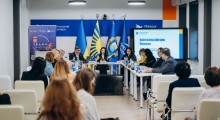
On March 19 Mariupol State University hosted a roundtable talk titled “Migration Policy in the Context of National Economic Security” concerned with creating decent working conditions for Ukrainian citizens both within the country and abroad. The event was co-facilitated by the All-Ukrainian Association of International Employment Companies as part of the international project “Transnational Migrant Counselling for Decent Work” (TRAM4DW).
The roundtable topic brought together a discussion of experts from various fields: educators, lawyers, political scientists, managers, administrators and civic activists. The participants discussed meeting labor market needs and creating conditions for boosting economic activity. They paid particular attention to preserving the labor force, consolidating community efforts and returning Ukrainian migrants as key factors in the country’s post-war recovery.
Migration is not only a social process and a humanitarian challenge. It is also a key factor in Ukraine’s competitiveness, economic resilience and post-war recovery. The country’s fortune in the global competition for human capital depends on how efficiently the state can integrate the security-based, economic and social components of its migration policy.
The international TRAM4DW initiative aims to establish a transnational advisory network that will promote migrants’ access to decent work. For this purpose, a hub, such as the Center for Migration Communication will be established at Mariupol University. It will become part of a pan-European network that will also operate in Hamburg, Madrid and Sofia. Alongside advisory work, the hubs will serve as platforms for building a new community of experts in the field of employment counseling.
For Ukraine, participation in this network is not only a tool for supporting citizens working abroad. It is also an opportunity to integrate into the European system of labor mobility and to shape a modern, responsible migration policy.




Останні новини: