Dialogue of cultures in Europe: Mariupol State University joined T4EU events in Portugal
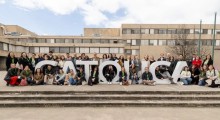
As a member of European University Alliance (T4EU), Mariupol State University participated in the European Common Cultural Heritage Week. The event was hosted by the Catholic University of Portugal on March 16 – 20.
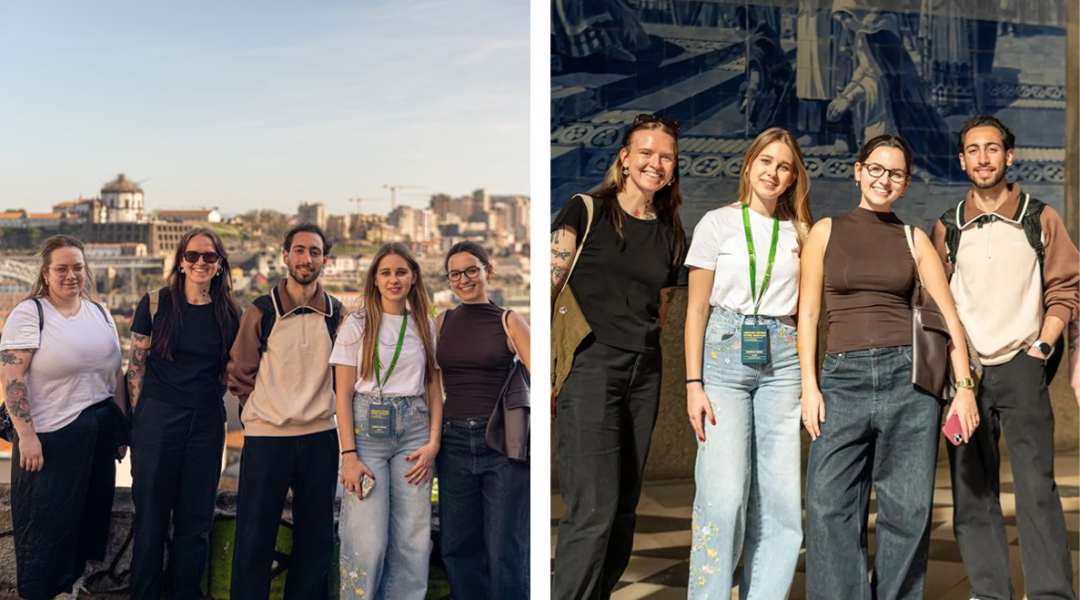
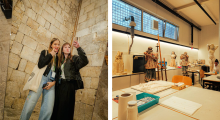
To gain international experience, Iryna Sikorska, Director of the Center for International Education together with students Maria Zamai (majoring in Culture Studies and Leisure Activity) and Kateryna Firsova (majoring in International Relations and Regional Studies) attended the event.
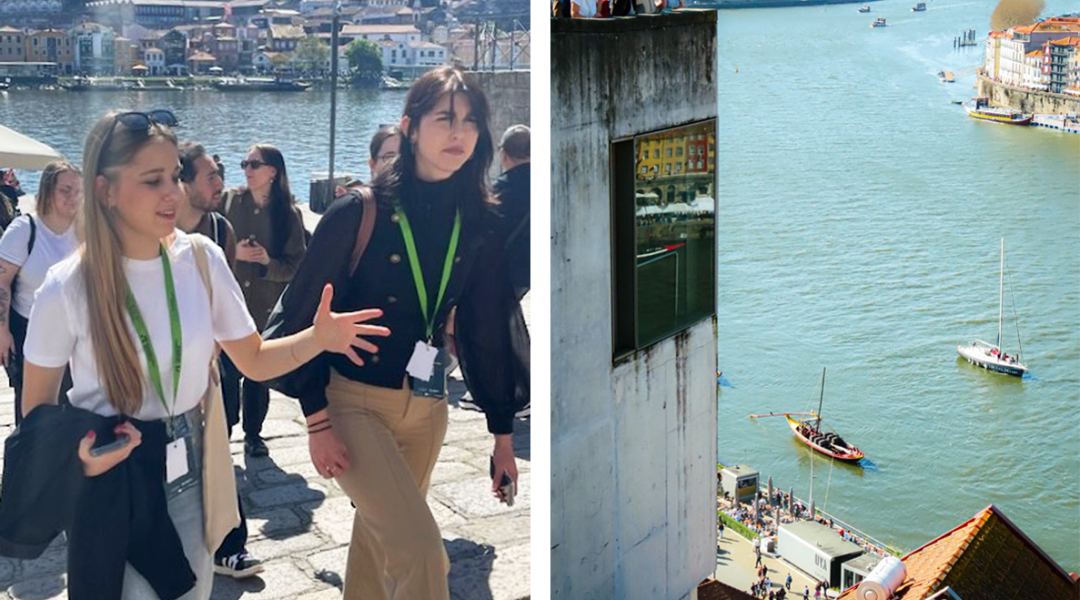
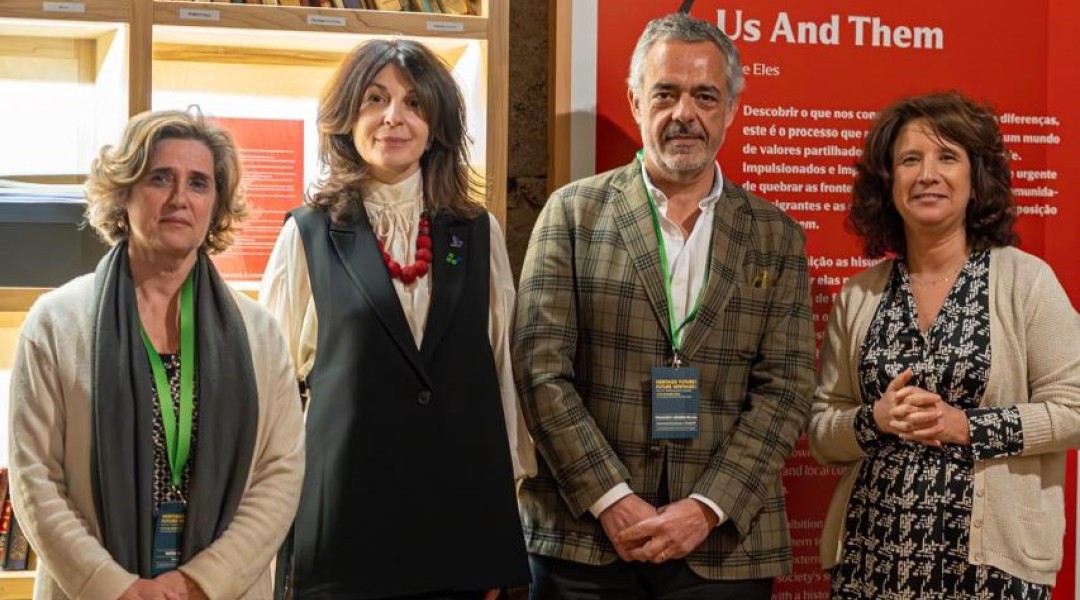
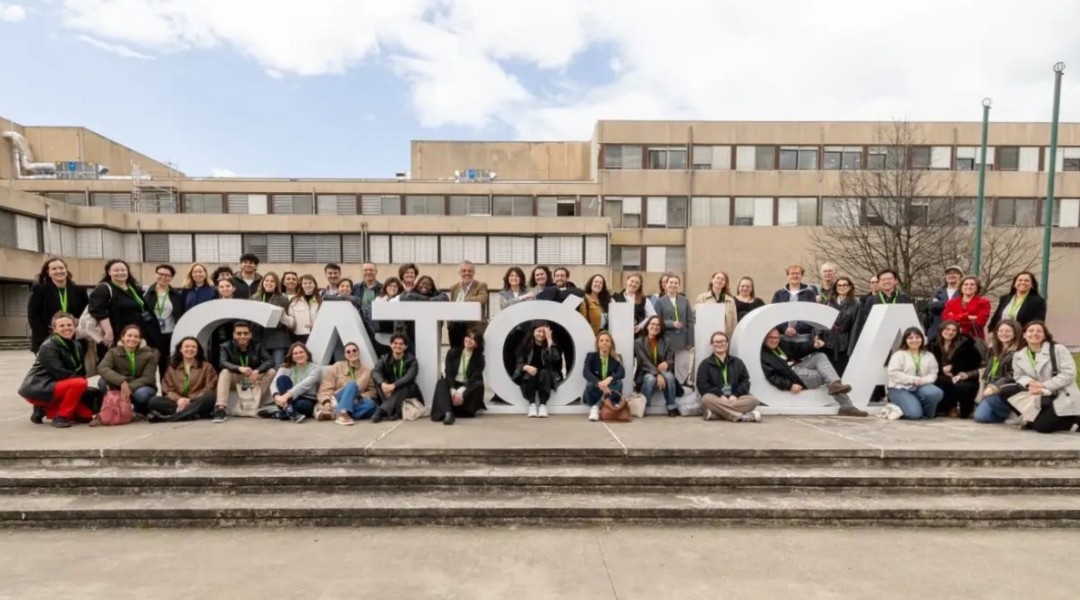
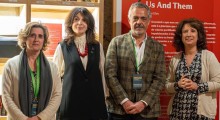
To participate in various activities united by the theme “Heritage of the Future/ Future of the Heritage: on the brink of change”, more than 80 participants from 10 countries came to Porto. That was a diverse group composed of university students, scientists and practitioners from across Europe studying culture and its role in the modern society.
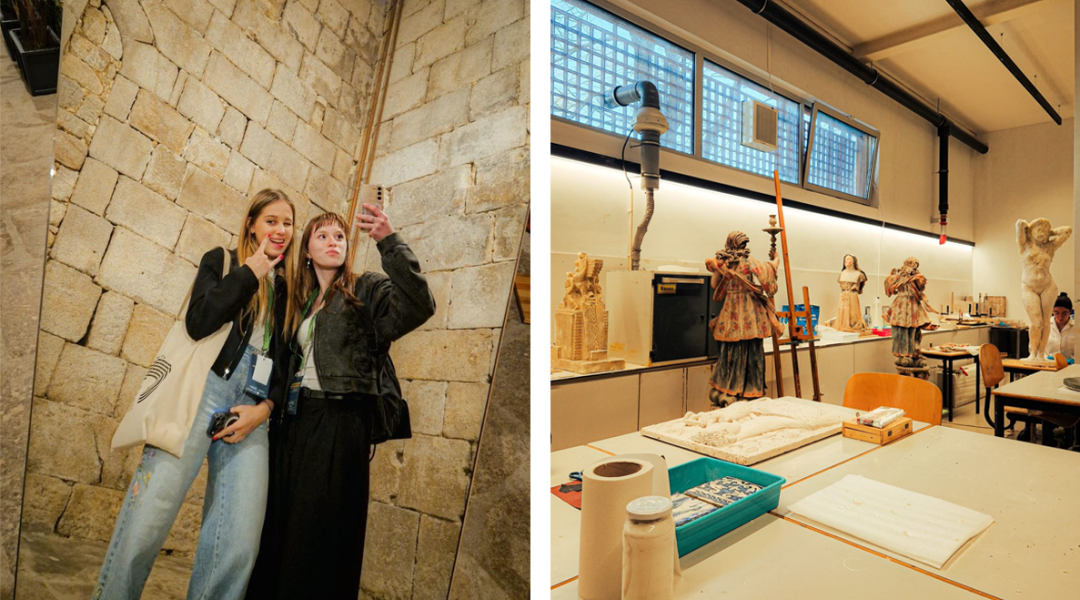
Maria began her research of infrastructure. The university building that had first sparked conflicting thoughts impressed her with hidden educational opportunities, such as modern equipment and premises inspiring for moving from the concept to the implementation. As for Kateryna, she worked in a workshop with representatives from Estonian University.
We were researching heritage through the lens of digital technology, creating 3D models of the House of Music, a concert hall in the historic center of Porto. I had not expected this workshop to open a new dimension of international cooperation to me. In the field of international relations, we often talk about protection of cultural achievements at the times of crises. This experience showed how digital diplomacy and technology can become a true guarantee for preservation of heritage when physical objects appear to be endangered,
— said MSU Student Kateryna Firsova.
The students were tasked with preparing group projects, using materials collected in the course of familiarization with the city. Thus, they had an opportunity to fully experience university life (and beyond) in Portugal. Their strolls helped analyze how global challenges ranging from climatic changes to social challenges affect the landscape of Porto.
That was the part of the week I liked most! We were able to see with our own eyes what we had only heard about before. For me, it was crucial to discover “invisible layers” of heritage, not just facades of the buildings but the intangible spirit of the city that often gets lost behind popular tourist itineraries. We asked ourselves: what exactly should we preserve and what should we allow the time to change? I was trying to understand how our national identities influence the way we “read” Portugal. I was also trying to understand the true value of both tangible and intangible heritage,
— said MSU Student Maria Zamai.
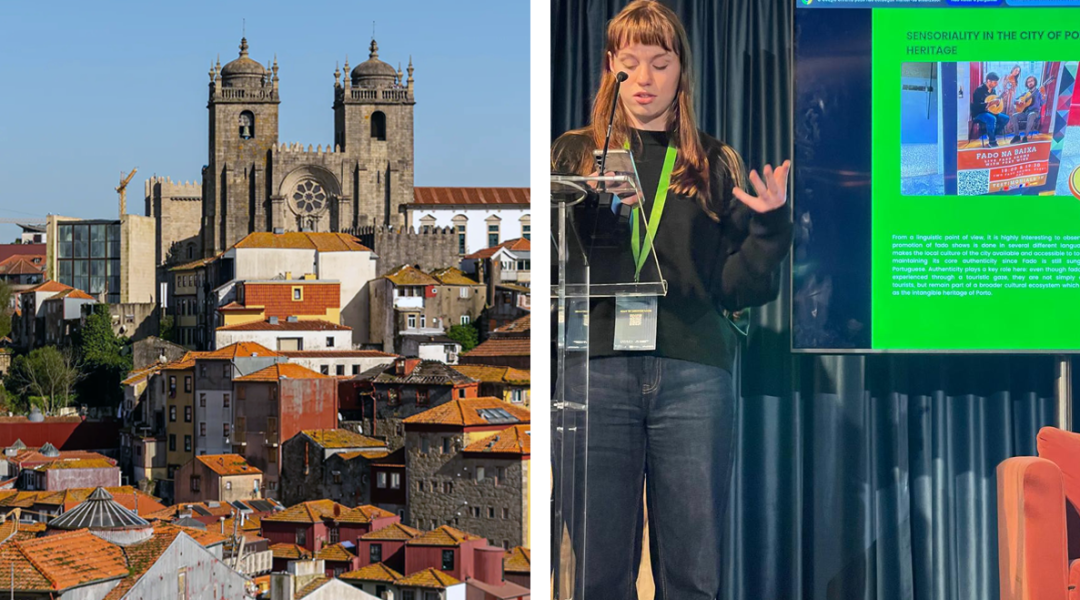
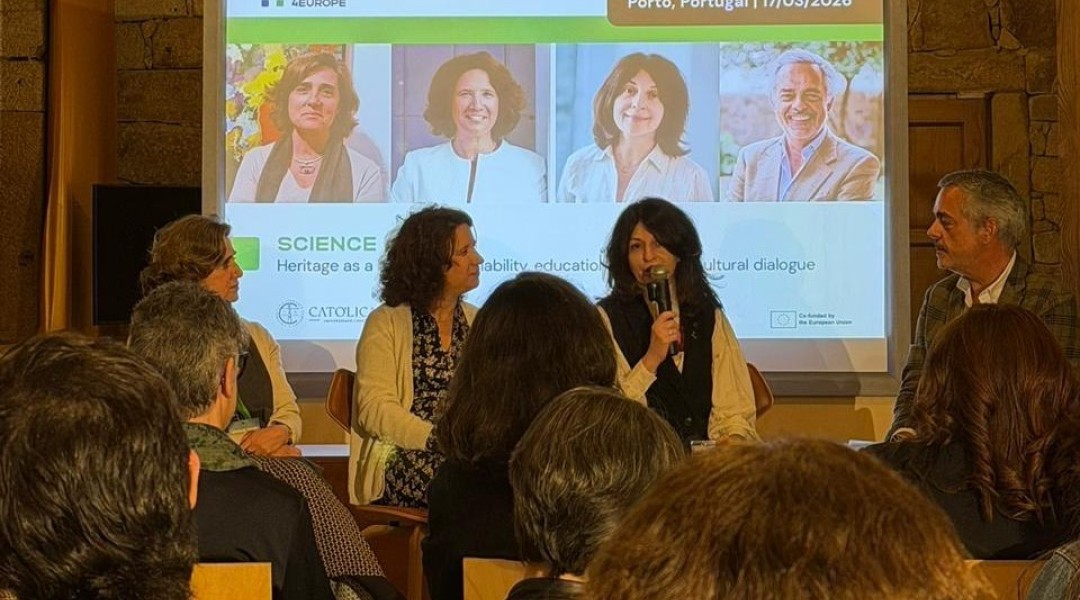
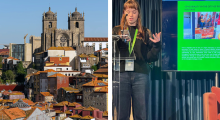
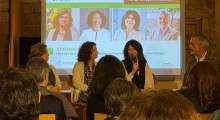
In her turn, in the framework of the annual T4EU conference, Iryna Sikorska spoke at a science cafe panel discussion titled “Cultural heritage as a bridge: sustainable development, education and intercultural dialogue”. The educator emphasized: “Freedom begins with understanding one another,” emphasizing that cultural awareness reduces division and strengthens democratic societies.
Preservation of heritage is not about just protecting buildings. It is about preservation of the memory and identity of our communities, and Mariupol University is a vivid example of both vulnerability and resilience. Culture plays a transformational role in recovery and development; therefore it is a powerful force that does not only preserve what we have but also helps us imagine who we can become,
— said MSU Associated Professor Iryna Sikorska.
Mariupol delegation came back to Ukraine with the firm conviction that preservation of heritage is not just about the past; it is what we create together in the process of a dialogue.
Останні новини: