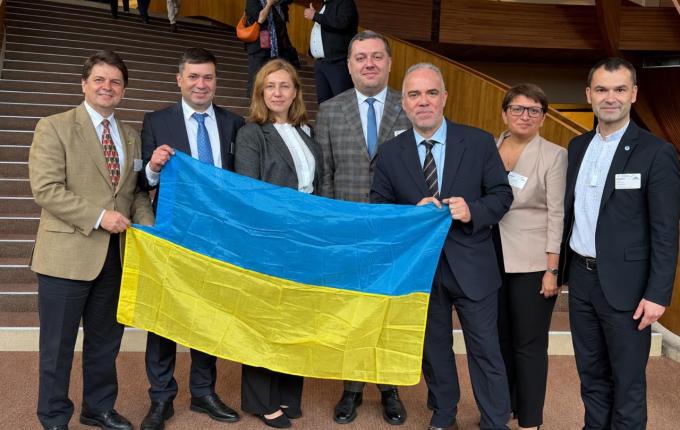
From project idea to grant proposal: GREENPREP-UA participants develop their own project concepts
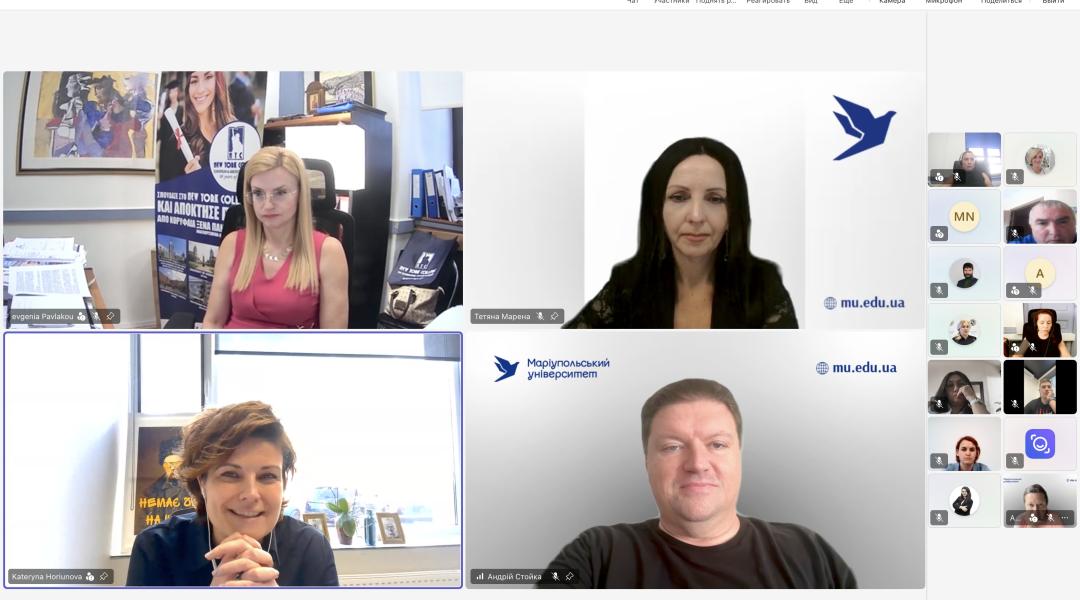
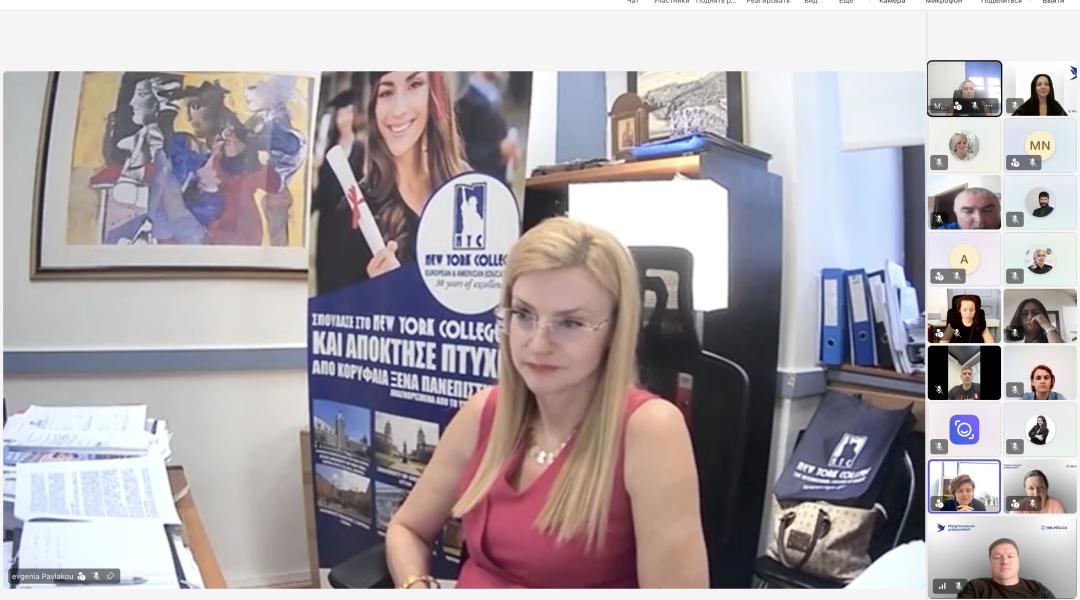
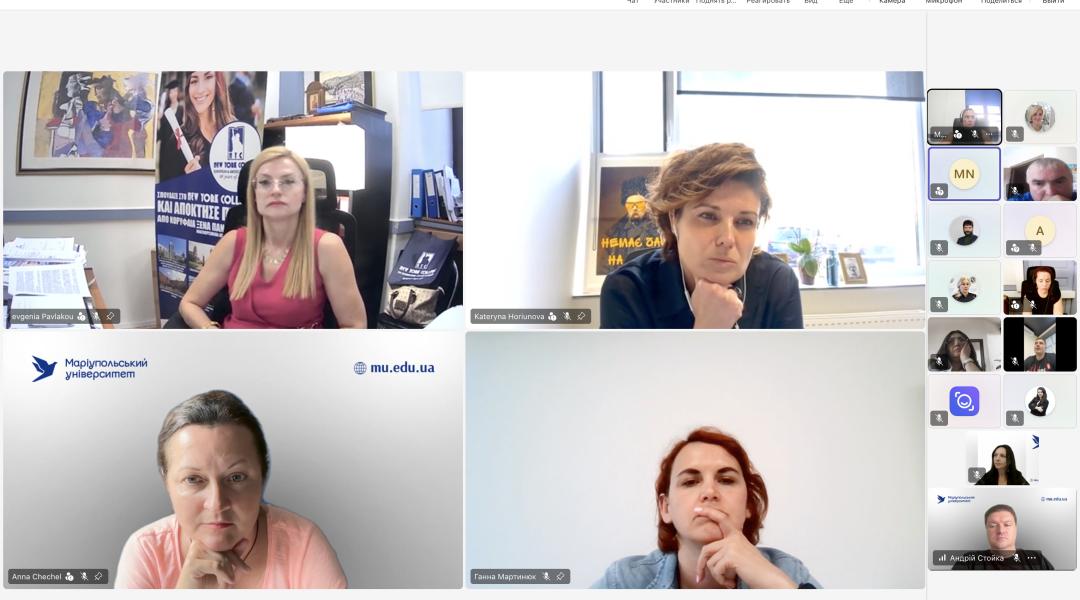
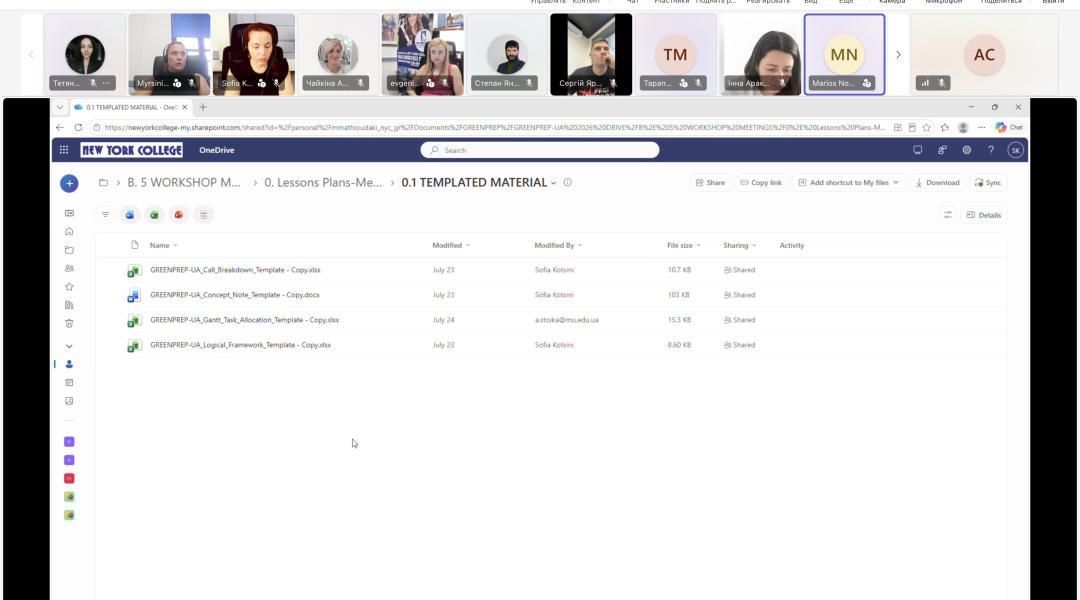
On 8 March 2026, a consultation session was held under the GREENPREP-UA project, bringing together academic and administrative staff from Mariupol State University and their Greek partners—the developers of the professional development programme and grant-writing experts. Participants discussed questions that had arisen during the course and while developing their project ideas, and received practical advice on completing their individual assignments.
The session formed part of the professional development programme “Preparing Projects and Grant Applications for European Union Programmes”, jointly developed by New York College (Greece) and MSU. The programme helps university staff identify suitable funding opportunities, understand call requirements, and turn research and institutional ideas into well-founded project proposals.
During the consultation, the Greek colleagues shared practical proposal-writing techniques and answered participants’ questions. Discussing their work with experts helped participants clarify their next steps and focus on areas requiring further development before completing the course.
The programme covers two major European funding programmes—Erasmus+ and Horizon Europe. Particular attention is given to the green transition, sustainable development, higher education modernisation, international research collaboration, and institutional capacity building.
The 60-hour course combines thematic workshops with independent practical work. Participants progress from selecting a funding call and defining a problem to formulating objectives, expected results, work packages, a timeline, and preliminary budget assumptions.
Each stage builds on the previous one: participants gradually develop materials that can subsequently support a full application. This approach allows them to apply their learning directly to their own research ideas or the university’s needs.
A separate component addresses the responsible use of artificial intelligence. Participants learn to use AI to structure and critically review texts, check suggested wording, and identify unsupported claims. Official call documents, verified data, and the professional judgement of project authors remain the foundation of this work.
We asked Acting Rector Tetiana Marena to answer a few questions.
Why is grant-writing training important for MSU’s academic and administrative staff?
Our colleagues have research ideas and a strong understanding of the needs of the university and the communities we work with. This training helps them turn those ideas into projects with clear objectives, realistic plans, and a convincing rationale. Bringing academic and administrative staff together is also important for teamwork: a strong application requires both subject expertise and sound organisational and financial planning.
What does this work mean for students?
Strengthening staff capacity to develop projects lays the groundwork for new opportunities for students to participate in research, international collaboration, and educational and community initiatives. As academics build partnerships and develop new projects, they can involve students in this work, helping them gain practical experience and professional contacts.
What outcomes do you expect from the final stage of the course?
We look forward to well-developed concepts with potential for further development. It is also important that participants become more confident in working with call documentation, critically assess their ideas, and find colleagues to collaborate with. For MSU, this contributes to building teams capable of consistently developing international projects and supporting the university’s development.
The final stage—developing project concepts
Participants are now moving to the final stage of the course: preparing their own project concepts, or concept notes. Each concept note is submitted as an individual final assignment to demonstrate the learning outcomes achieved.
In their assignments, participants must explain the problem they propose to address, the intended beneficiaries, the changes the project aims to achieve, and how the planned activities will lead to the expected results. They must also demonstrate how their idea fits the selected funding opportunity and identify the evidence, partnerships, and resources needed to develop it further.
The resulting concepts can provide a foundation for future grant applications and the formation of university project teams. For participants, this is an opportunity to assess how ready their ideas are for further development, recognise their strengths, and identify areas that still need work.




Останні новини: