Education Stitches Society Together: Mariupol State University in the International Dialogue of the SPARK Project
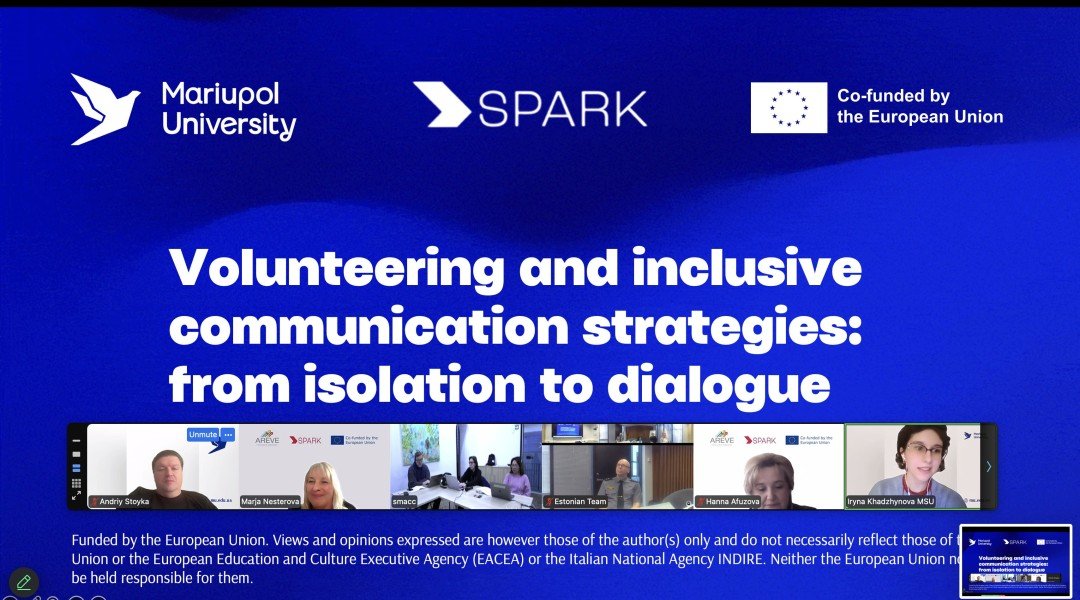
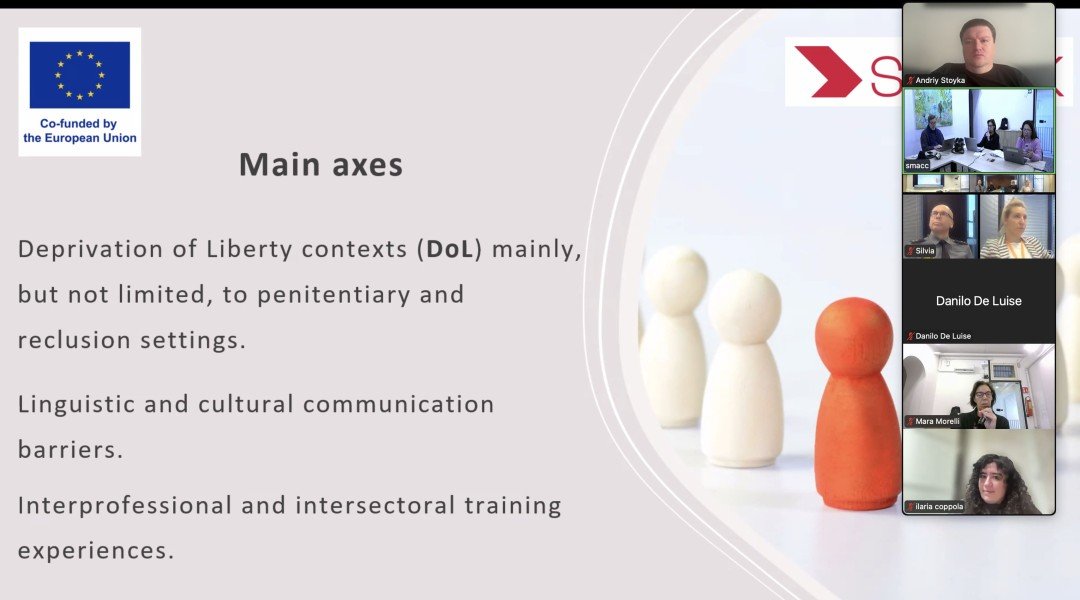
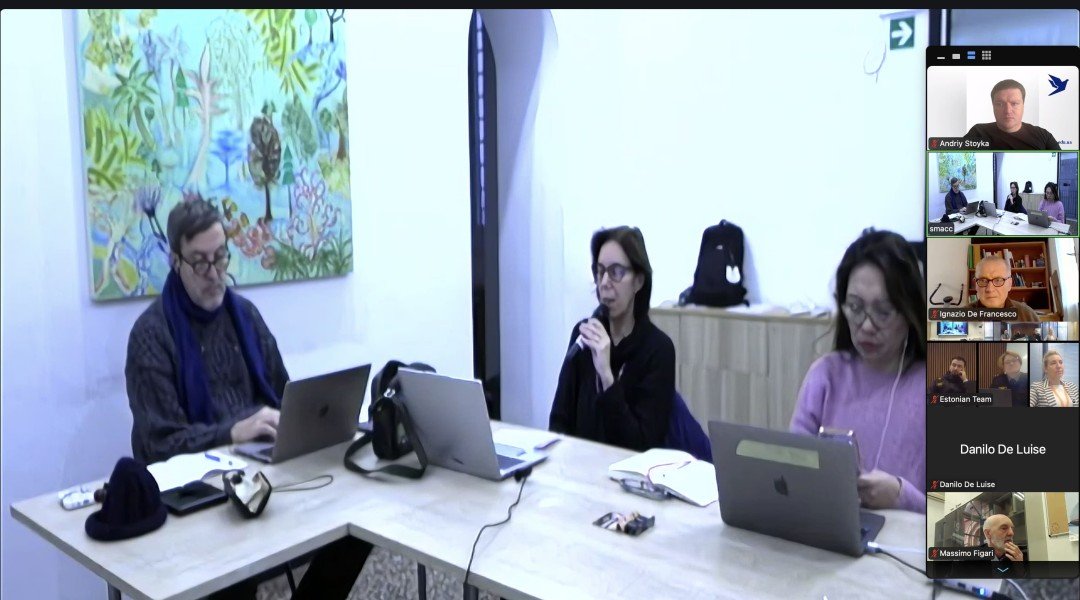
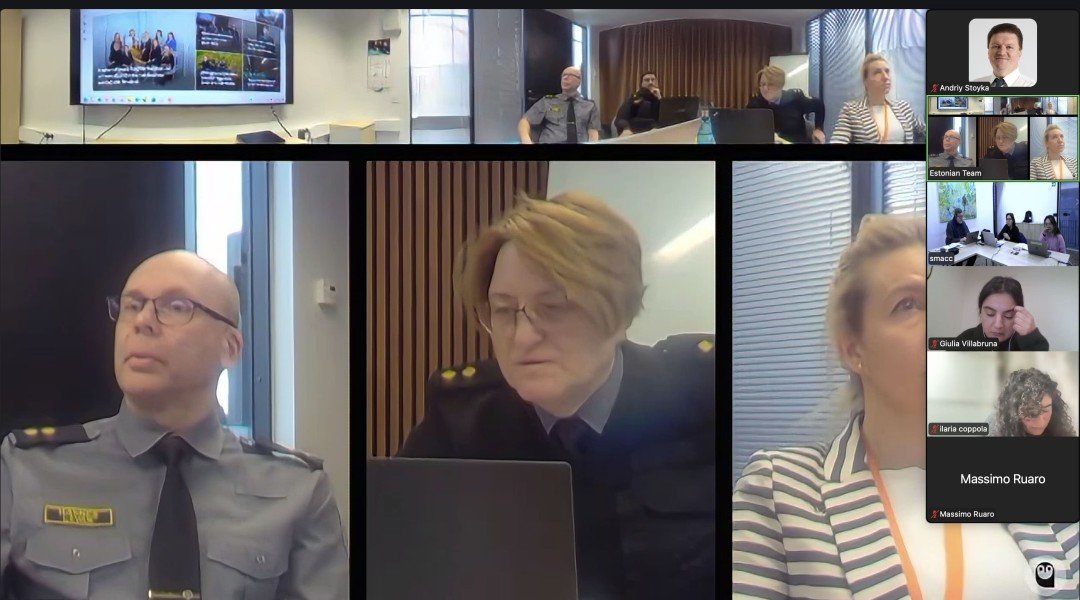
On 28 January 2026, the Mariupol University team took part in an international online seminar held within the framework of the SPARK project — Supporting the Penitentiary System Advancement through Reflection and Knowledge about Linguistic and Cultural Diversity. The event brought together experts and practitioners from Ukraine, Italy, Estonia, and Spain to discuss issues of inclusion, social resilience, overcoming linguistic and cultural barriers, as well as working in contexts of deprivation of liberty.
The seminar aimed to facilitate the exchange of experience between universities, public authorities, and civil society organisations regarding educational, communication, and mediation practices in complex social contexts — from penitentiary institutions to communities hosting internally displaced persons.
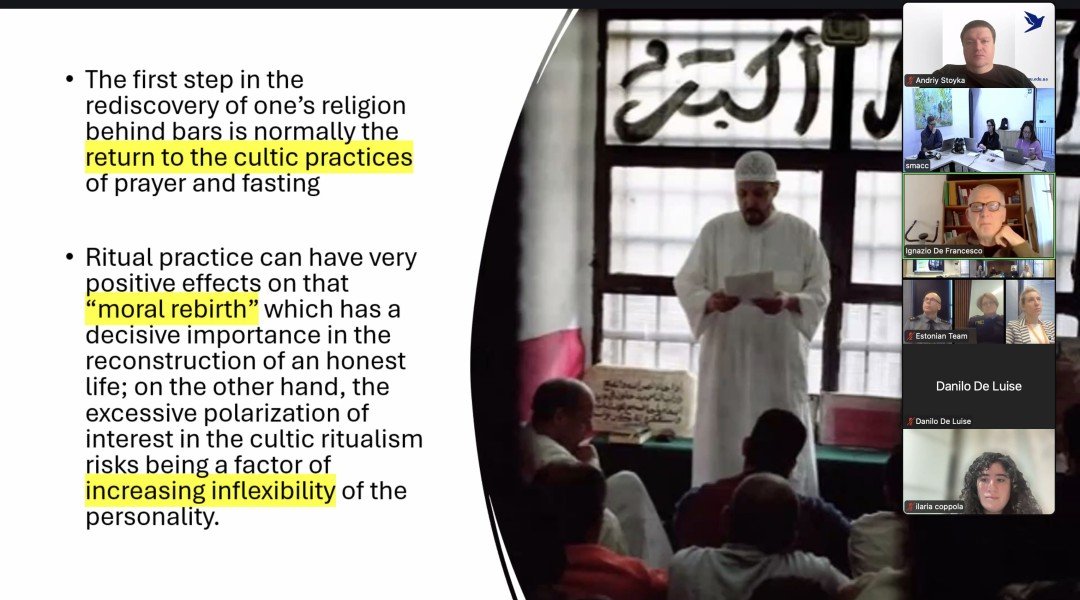
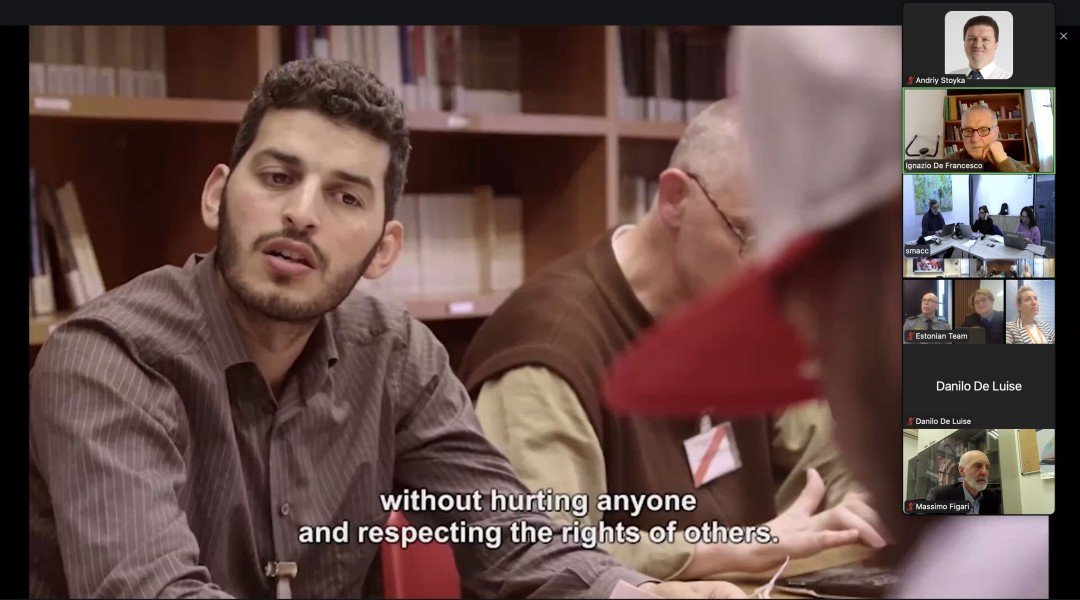
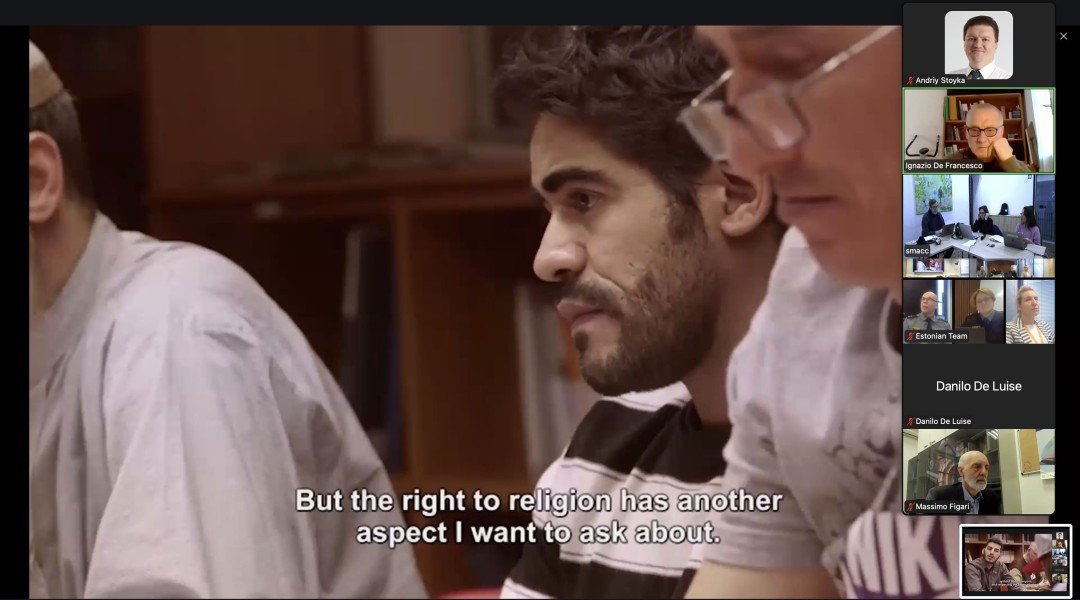
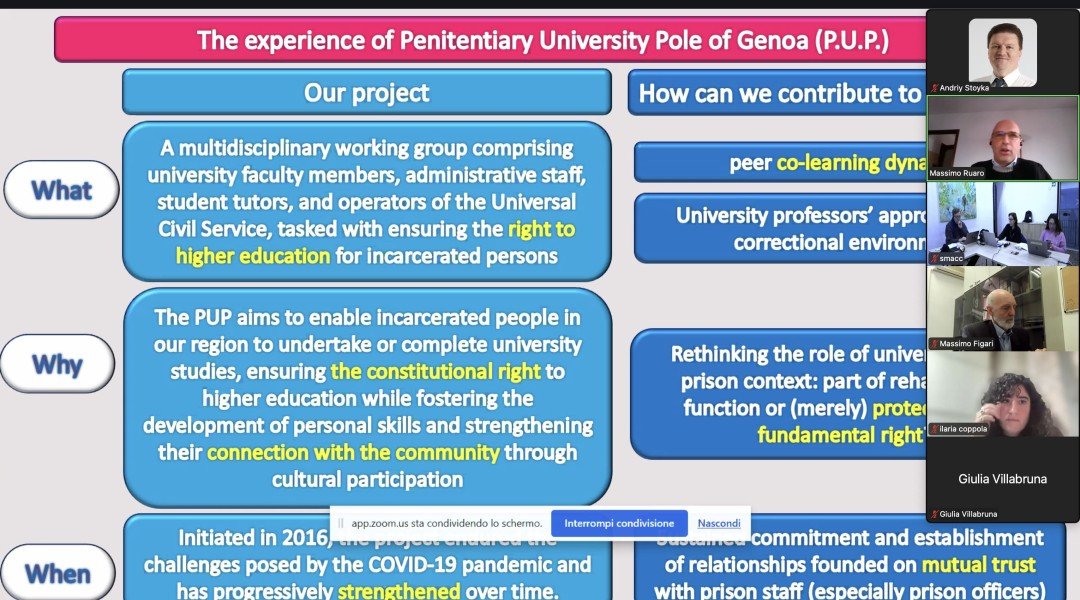
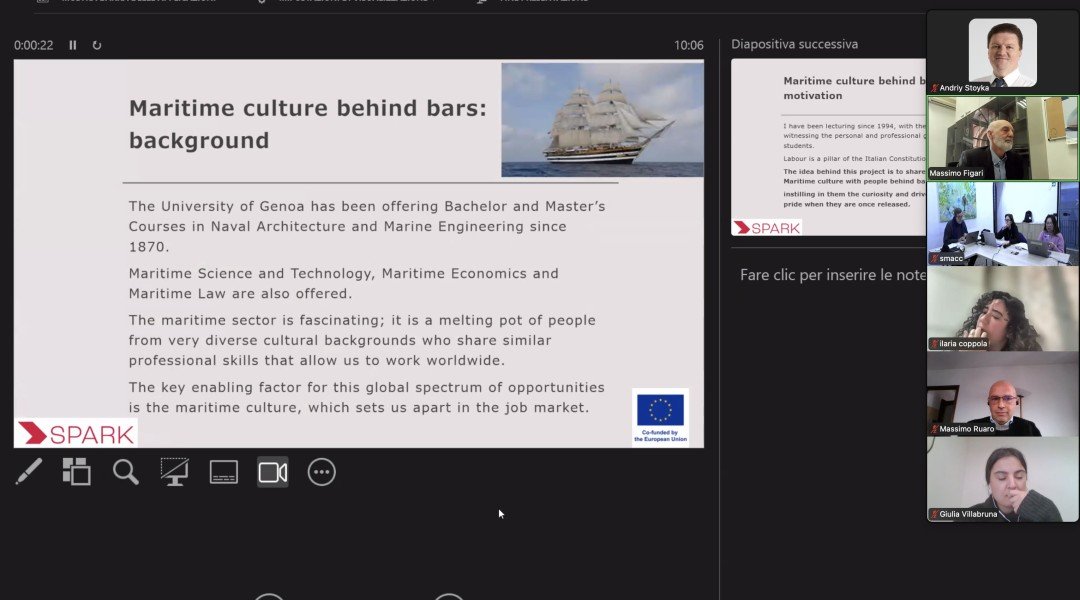
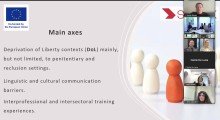
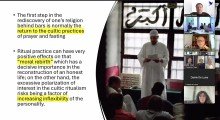
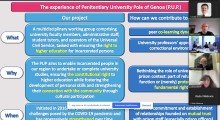
Partners from Italy presented the experience of the University of Genoa initiative that ensures the right of people deprived of liberty to access higher education. The presentations demonstrated how a university can work in close cooperation with the penitentiary system, combining academic education, mentoring, and interdisciplinary formats. Particular attention was paid to working in multicultural environments, addressing linguistic challenges, and building trust between educators, prison staff, and students living in conditions of isolation. Italian partners also shared practices of interreligious and intercultural dialogue in places of detention, emphasising the importance of working with values, identity, and ethical orientations as key components of resocialisation.
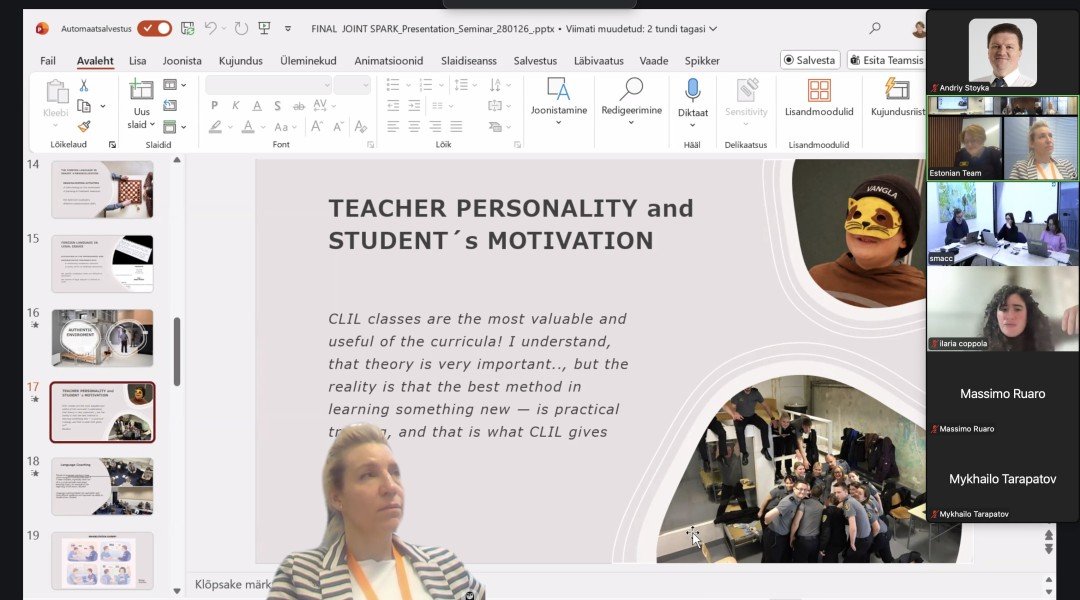
The Estonian block focused on preparing penitentiary staff to work in multilingual and multicultural environments. Approaches such as Content and Language Integrated Learning (CLIL), language coaching, and the use of digital translation tools in work with foreign inmates were presented. Speakers demonstrated how linguistic accessibility directly affects access to rights, safety, effective communication, and conflict reduction in places of detention.
Partners from Spain concentrated on the role of translation, terminology, intercultural communication, and cooperation between universities, public authorities, and the civil society sector. It was emphasised that linguistic mediation is not merely a technical practice but a social and human-rights-oriented one that ensures real, rather than formal, equality of access to services and rights.
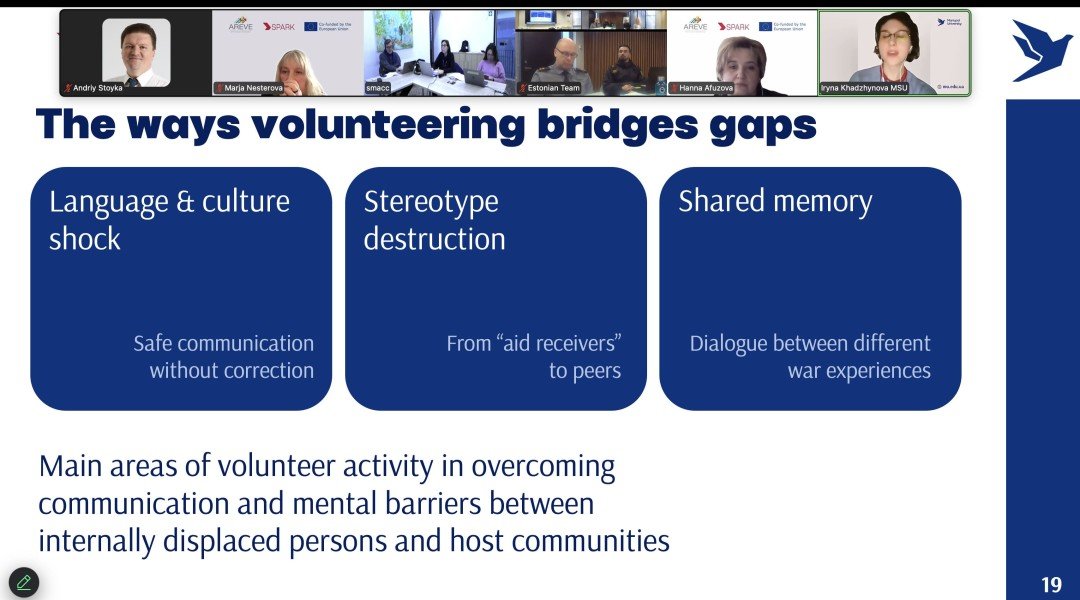
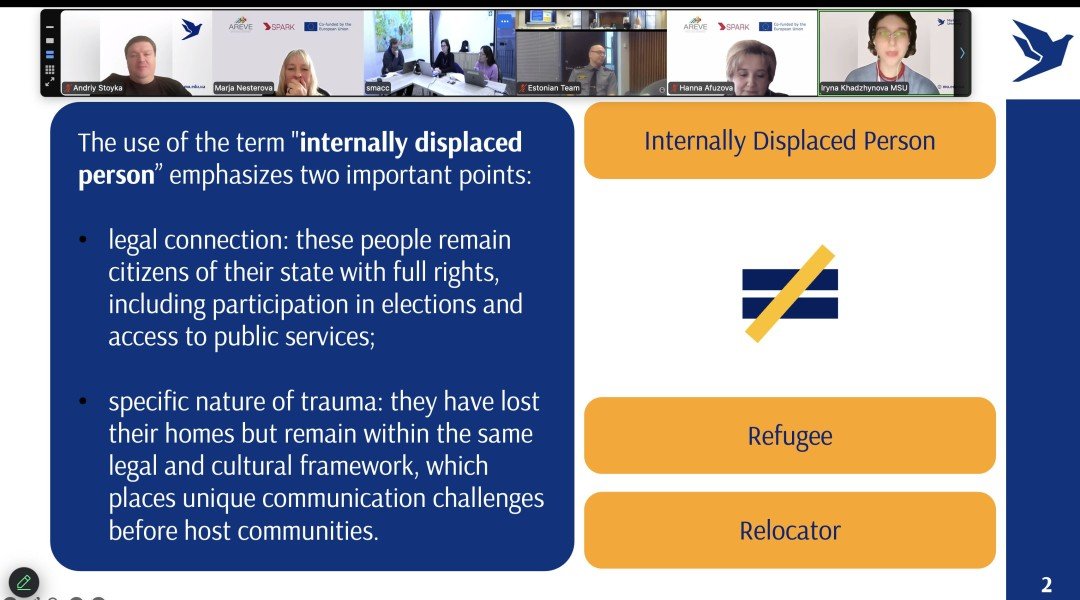
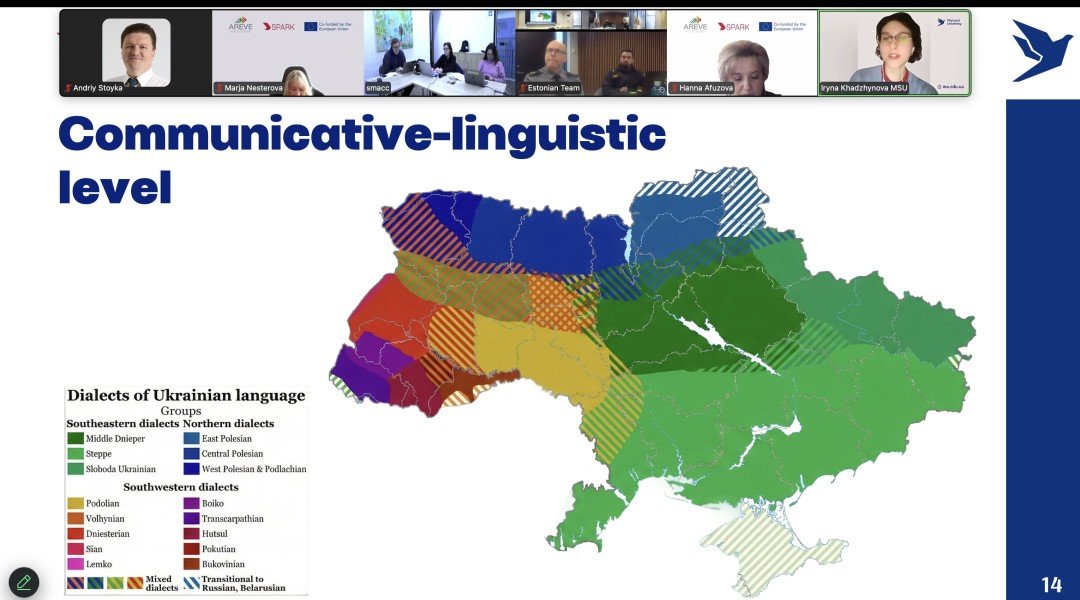
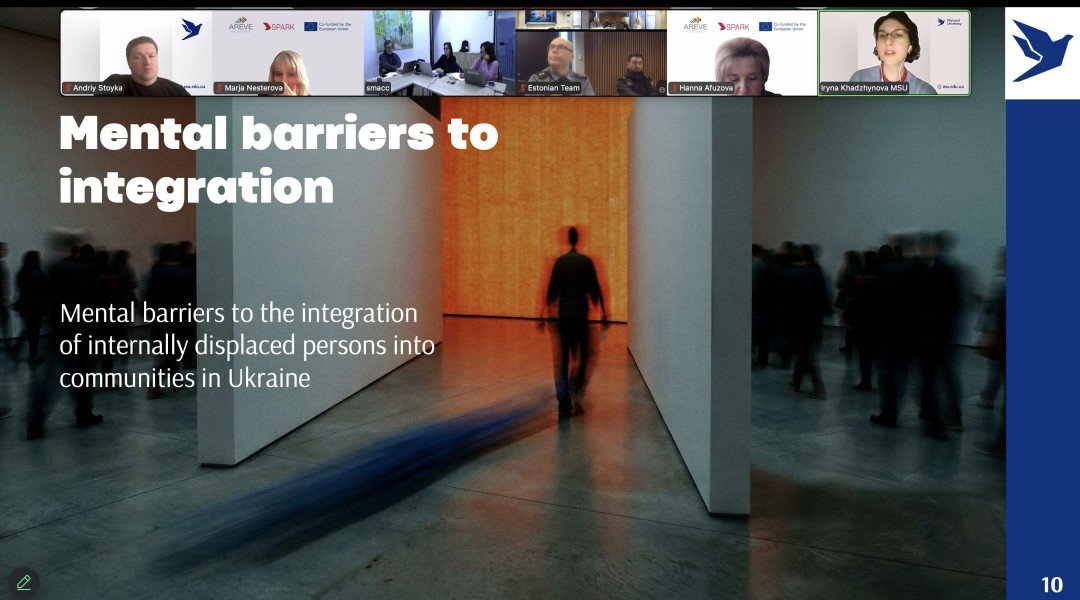
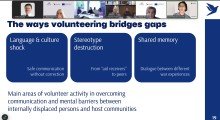
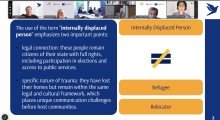
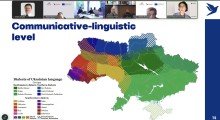
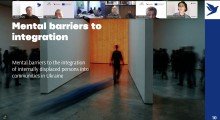
The Ukrainian presentations addressed the challenges faced by communities in the context of war, mass internal displacement, and social fragmentation. Iryna Khadzhynova presented the MSU team’s report “Volunteering and Inclusive Communication Strategies: From Isolation to Dialogue,” which analysed the transformation of approaches to the integration of internally displaced persons. Particular attention was given to the invisible dimensions of integration — mental barriers, stereotypes, and linguistic and cultural gaps that often become more serious obstacles than material difficulties. The presentation introduced the Atlas of Integration Barriers, covering cognitive-stereotypical, emotional-behavioural, and communicative-linguistic levels. It was shown how volunteering acts as a key mechanism for overcoming these barriers through safe communication, dismantling stereotypes, and building shared experience. The experience of Mariupol University as a civic and volunteer hub following forced displacement was also presented. Volunteer activities of academic staff and students include humanitarian assistance, psychological support, work with military personnel, environmental and social initiatives, as well as educational and cultural practices. Examples of personal stories and student volunteering illustrated how the academic community transforms knowledge into tools for social healing.
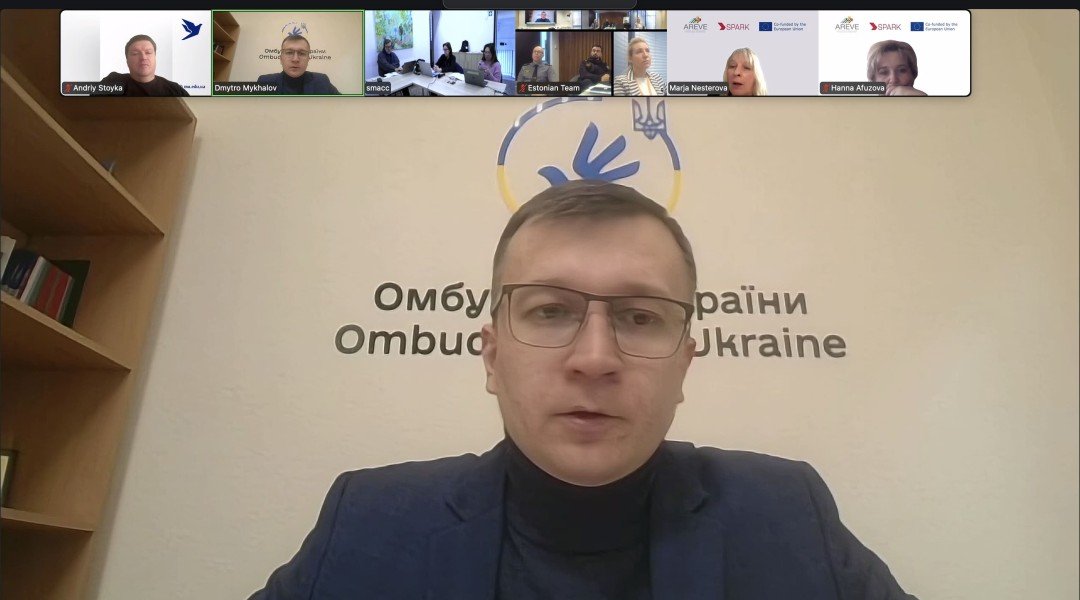
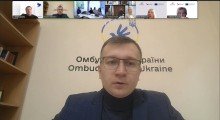
An important element of the Ukrainian block was the presentation by Dmytro Mykhaliov, representing the Office of the Ukrainian Ombudsman, devoted to the protection of the rights of internally displaced persons and their integration into host communities. He emphasised that the integration of IDPs is not limited to meeting basic needs but also involves creating conditions for participation in community life, access to education and employment, and real influence on decision-making processes.
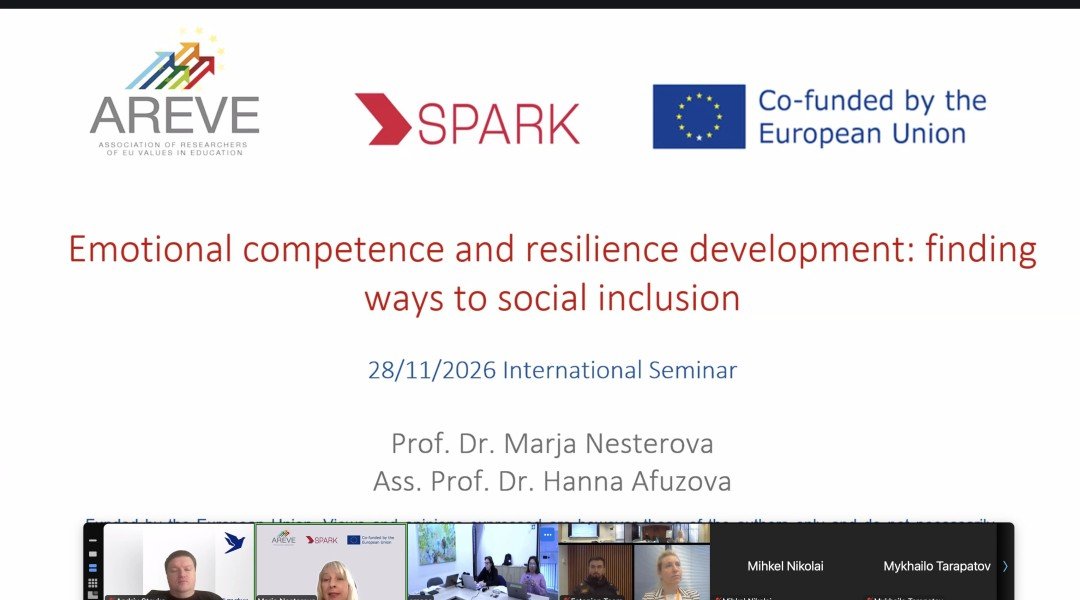
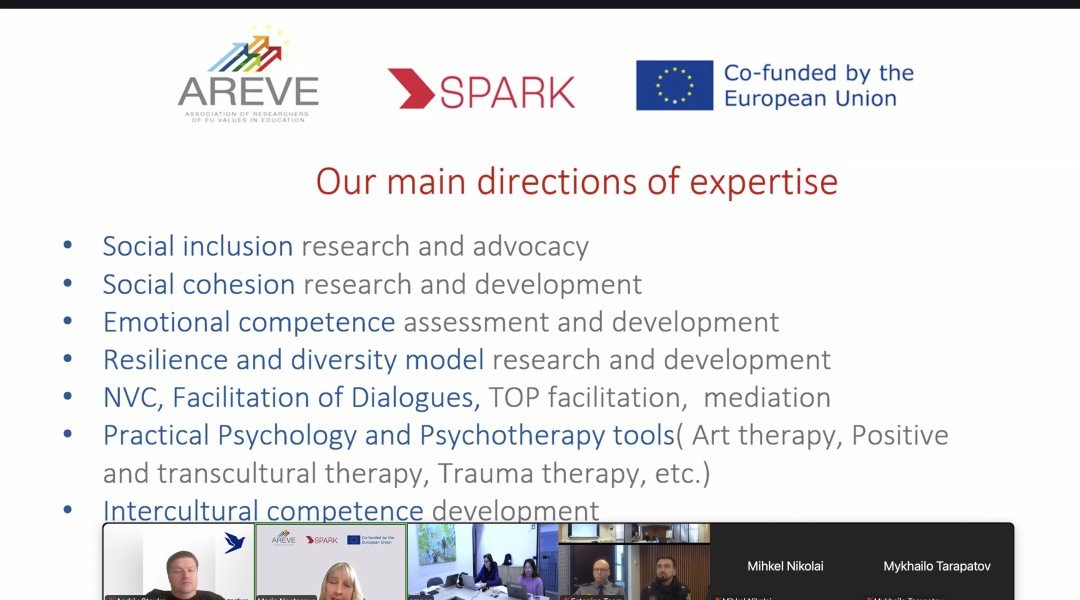
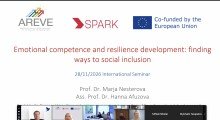
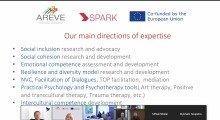
The seminar also featured the expertise of partners from the Association of Researchers of European Values in Education, who focused on the development of emotional competence and resilience as foundations of social inclusion. The presentations highlighted the importance of the “helping the helpers” approach — supporting educators, social workers, and volunteers who work with vulnerable groups and are themselves at risk of professional burnout.
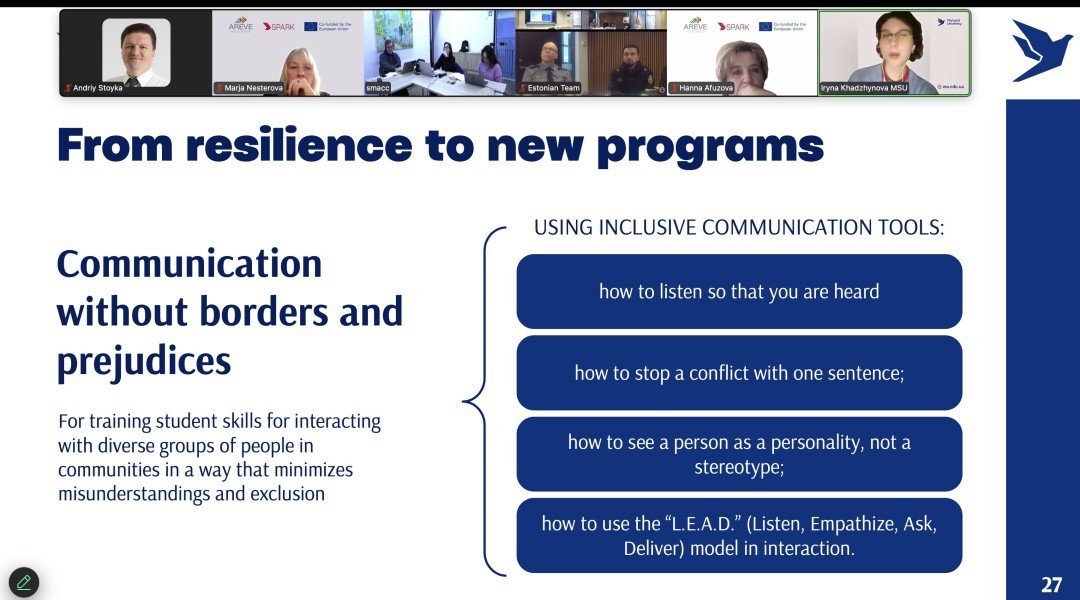
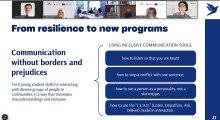
The final highlight of MSU’s participation in the SPARK event was the presentation of plans to develop and implement the course “Communication without Borders and Bias,” which will be developed at Mariupol University. The course is aimed at preparing students and academic staff to work in multicultural environments, reducing conflict, developing empathetic listening, crisis communication skills, and inclusive interaction within communities.


Останні новини: